The future of rail engineering is evolving rapidly. Traditionally, success in rail infrastructure and safety was tied to deep specialization in a single field—mechanical, electrical, or signaling. However, today’s rail systems are so interconnected that leaders must bring cross-domain expertise to the table.
A McKinsey Transport Study (2024) revealed that rail engineers with multi-disciplinary skills are 40% more likely to progress into leadership roles compared to specialists in one domain. For professionals working in RAMS (Reliability, Availability, Maintainability, Safety), this shift makes talent development and the cultivation of hybrid expertise more important than ever.
Cross-domain RAMS professionals are not just maintaining systems; they are ensuring that electrification, digital signaling, analytics, and safety come together seamlessly to deliver efficient, reliable, and safe rail operations.
Why Cross-Domain Knowledge Matters in RAMS
Modern rail systems combine mechanical engineering, electrical networks, digital analytics, and advanced safety protocols. If professionals operate in silos, gaps emerge that can compromise both safety and performance.
Some key areas where interdisciplinary integration is essential include:
✔️ Electrification & Mechanical Systems: Engineers must understand how Overhead Equipment (OHE) interacts with rolling stock design. A mismatch can cause power loss, safety hazards, or reduced equipment life.
✔️ Signaling & Cybersecurity: As rail networks adopt digital signaling, the risk of cyberattacks grows. Safety professionals must integrate cybersecurity protocols with signaling frameworks to prevent operational disruptions.
✔️ Operations & Analytics: Data collected from IoT devices and AI-driven systems must inform maintenance schedules and safety decisions. RAMS engineers who understand both analytics and traditional operations provide a stronger defense against failures.
RAMS professionals are, therefore, the bridge builders who align multiple disciplines to ensure seamless and safe railway operations.
Essential Skills for Cross-Domain RAMS Professionals
To succeed in this interconnected environment, professionals must go beyond conventional engineering. The following skill sets are increasingly in demand:
1. Electrical + Mechanical Integration
✔️ Understanding how mechanical wear and tear influences electrical systems (and vice versa) is crucial. For instance, overheating in electrical components may accelerate mechanical failures in braking systems. Cross-domain expertise ensures more accurate RAMS modeling.
2. Digital + Safety Competence
✔️ Modern rail safety depends on IoT devices, AI, and predictive maintenance platforms. However, these must be aligned with traditional safety frameworks to ensure compliance with standards. Engineers with dual expertise can balance innovation and regulation.
3. Project Management Knowledge
✔️ RAMS engineers are now expected to manage multi-disciplinary projects. Skills in stakeholder communication, risk management, and contract negotiation allow them to transition into project leadership roles.
4. Mastery of Global Standards
✔️ Knowledge of international standards such as EN 50126, EN 50128, EN 50129, and cybersecurity standards like EN 50159 ensures compliance and interoperability in international projects.
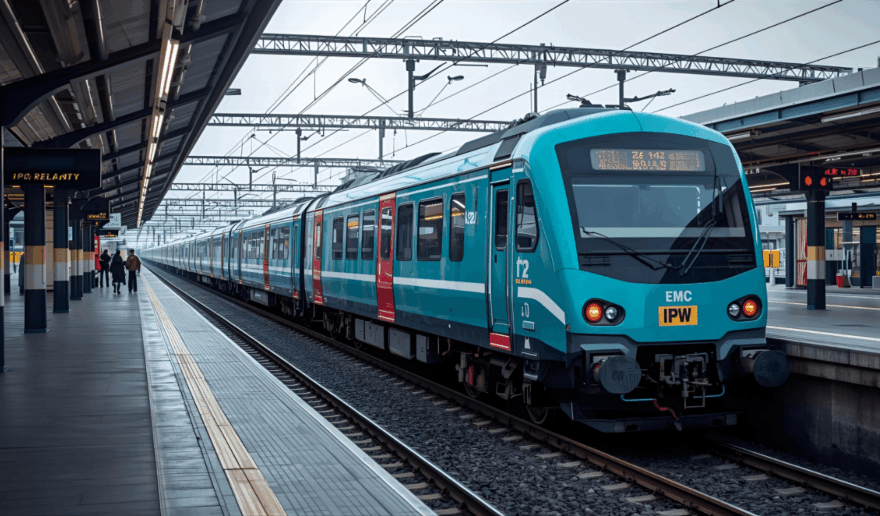
Case Study: Beijing–Shanghai High-Speed Rail
The Beijing–Shanghai High-Speed Rail project is a benchmark for cross-domain RAMS integration. Instead of relying on siloed teams, the project brought together:
-
Mechanical engineers
-
Electrical specialists
-
Data scientists
Working under a unified RAMS framework, the team achieved:
✔️ 20% reduction in downtime
✔️ Higher lifecycle efficiency compared to traditional models
✔️ Faster, more collaborative problem-solving during operations
This project demonstrated how cross-domain expertise leads to measurable improvements in both safety and system performance.
Career Outlook for Cross-Domain RAMS Professionals
With modernization projects expanding worldwide, recruiters increasingly prefer hybrid professionals who bring both technical and digital skills. Some of the most in-demand career paths include:
-
RAMS + IoT Specialists – blending reliability frameworks with sensor-driven analytics.
-
Safety Engineers + Cybersecurity Experts – ensuring digital signaling remains secure.
-
Mechanical Engineers with RAMS Certifications – combining asset knowledge with safety principles.
Salary Insights (2024–2025):
-
India: ₹15–22 LPA for senior RAMS professionals

Figure 2. Salary Insights (2024–2025): -
Europe: €90,000–130,000 annually
-
Middle East: $85,000–120,000 annually
These figures reflect the premium placed on hybrid skills that go beyond single-domain expertise.
Industry Insight
According to the World Economic Forum (2024), global demand for multi-disciplinary rail talent will grow by 35% by 2030. The report also highlighted that projects involving high-speed rail and metro expansion are driving the strongest demand for professionals who can integrate RAMS, safety, and digital technologies into one cohesive framework.
In practical terms, this means professionals who upgrade their skills to span across mechanical, electrical, digital, and managerial domains will have faster promotions, better salaries, and global career opportunities.
How Professionals Can Build Cross-Domain Knowledge
If you’re aiming to future-proof your career in RAMS and rail safety, here are clear steps you can take:
✔️ Pursue Dual Certifications: For example, combine RAMS with cybersecurity or OHE with safety frameworks.
✔️ Gain Exposure Across Functions: Rotate between technical and managerial roles to broaden expertise.
✔️ Adopt Digital Tools: Learn predictive maintenance platforms, IoT integration, and data visualization software.
✔️ Seek International Experience: Exposure to global projects provides insights into different regulatory and operational models.
Each of these steps strengthens your profile and prepares you for leadership roles in a cross-domain rail environment.
Conclusion
The next generation of rail leaders will not be specialists in only one discipline. Instead, they will be cross-domain RAMS professionals who can integrate mechanical, electrical, digital, and safety systems to ensure reliability and safety at scale.
Investing in multidisciplinary skills today is the fastest way to unlock leadership opportunities, higher salaries, and international career paths tomorrow.
Want to go deeper?
Expand your cross-domain expertise with our IRSE Professional Examination Preparation and Coaching Programme at Zenith Railway Academy.