Introduction
High-speed rail (HSR) represents the pinnacle of modern railway engineering. With trains traveling at 300–400 km/h, these systems rely on cutting-edge technologies in aerodynamics, signaling, electrification, and digital monitoring. According to the International Union of Railways (UIC, 2024), global HSR investment will exceed USD 500 billion by 2040, with India, China, and the Middle East leading expansions. This growth is driving demand for a new generation of engineers equipped with specialized technical and digital skills to design, build, and operate high-speed networks.
Why HSR Technologies Are Transformative
-
Ultra-Fast Mobility: HSR reduces travel times dramatically, connecting cities in hours instead of days.
-
Sustainability: HSR emits 90% less CO₂ per passenger-km compared to air travel, making it a critical tool for net-zero goals.
-
Global Collaboration: Projects involve multinational teams, from Japanese Shinkansen expertise to European ETCS signaling standards.
-
Digitalization: IoT sensors, AI-driven monitoring, and digital twins are integral to HSR performance.
Core High-Speed Rail Technologies
1. Advanced Aerodynamics
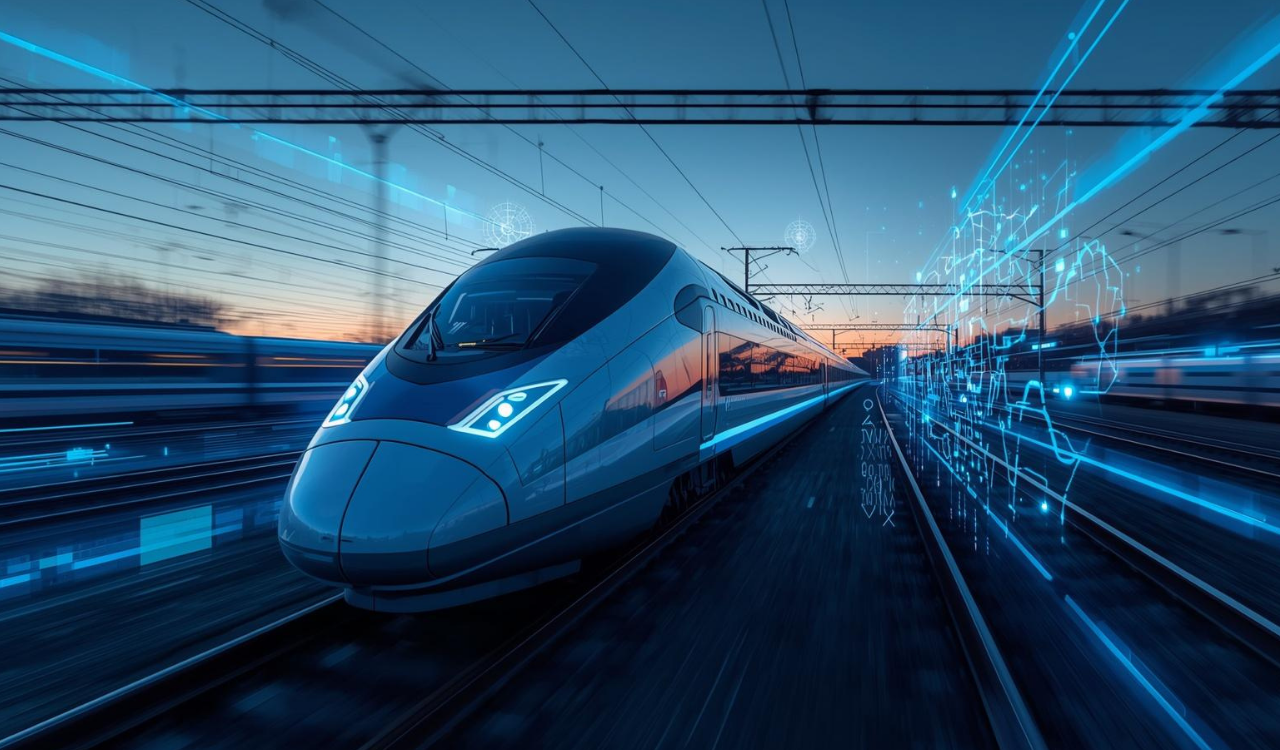
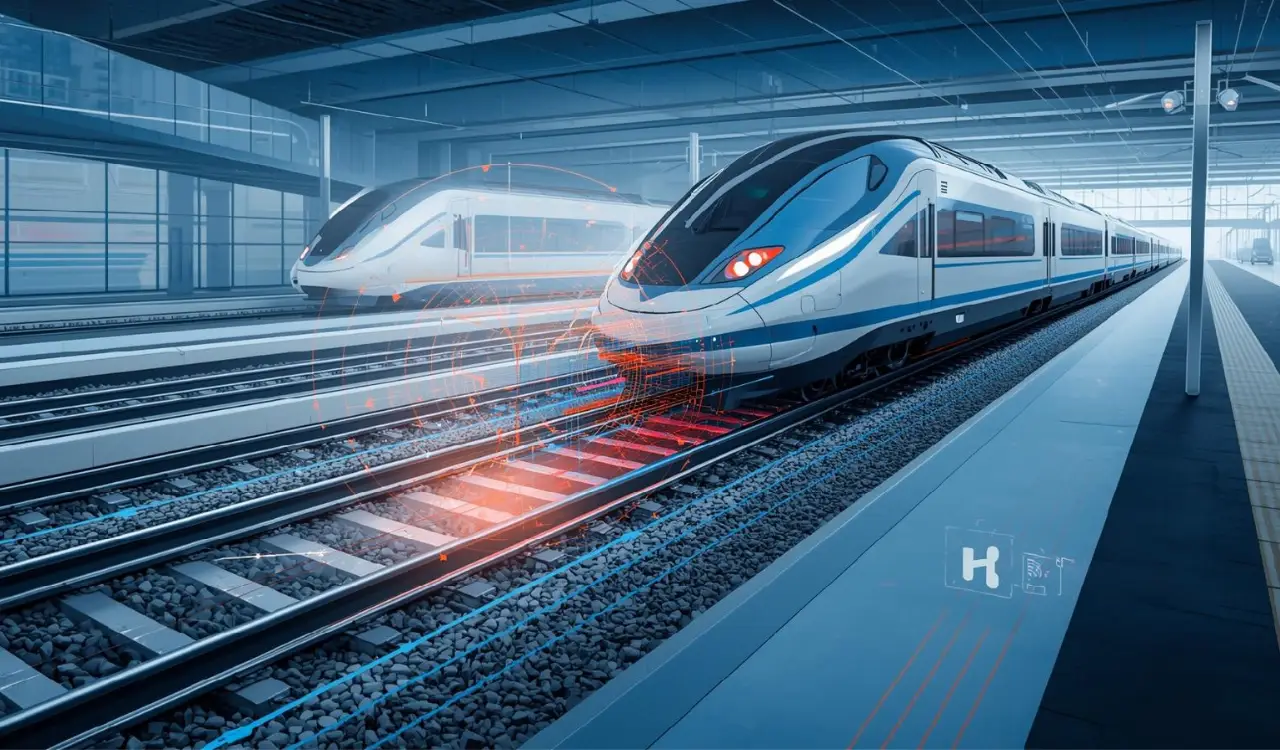
Train designs use streamlined nose cones, lightweight materials, and pressure-control systems to minimize drag and noise.
2. ETCS Level 2/3 Signaling
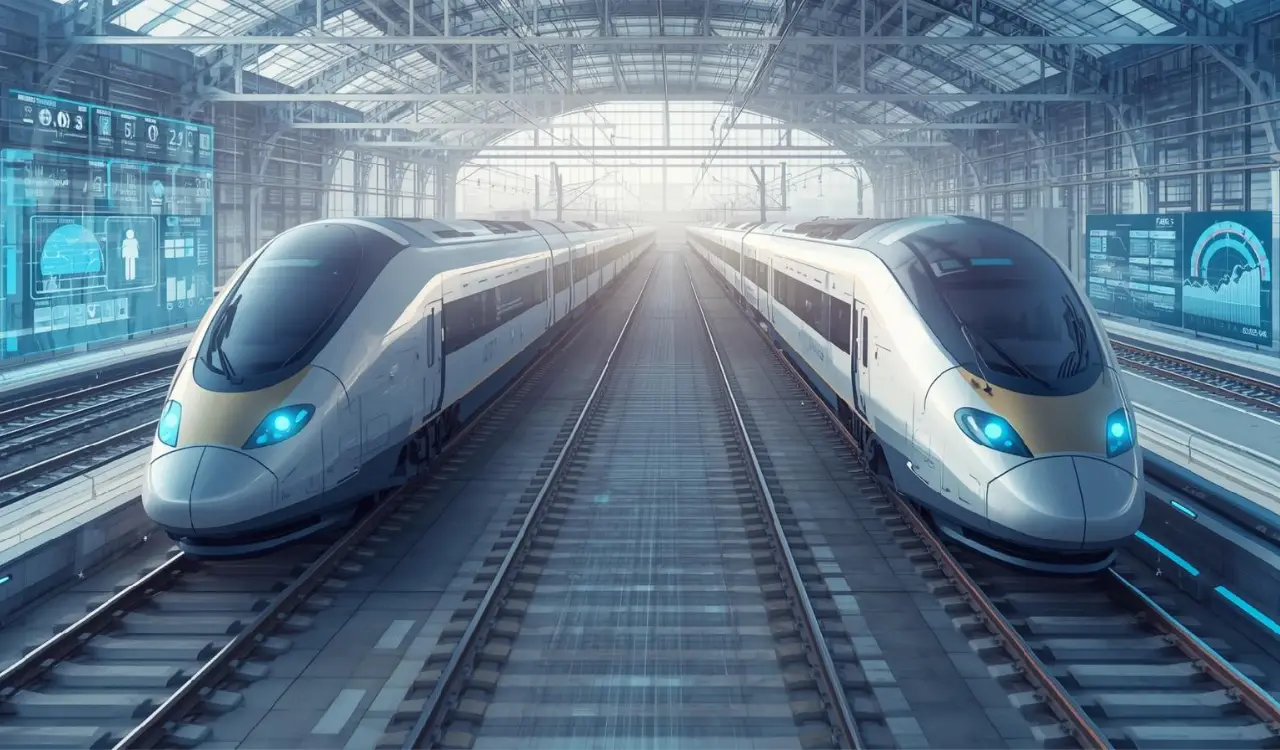
European Train Control System (ETCS) ensures safe operations at high speeds, with real-time communication between trains and control centers.
3. OHE and Traction Systems
Overhead Equipment (OHE) in HSR must handle extreme voltage and current stability, requiring advanced engineering skills.
4. Track & Infrastructure Engineering
Specialized slab tracks, vibration control, and precision construction are essential for safety at 300+ km/h speeds.
5. IoT & Digital Twin Monitoring
HSR networks rely on digital replicas of trains and infrastructure to predict failures before they happen, improving RAMS performance.
Skills for the Next Generation of Engineers
Technical Skills
-
Expertise in OHE design and maintenance
-
Knowledge of ETCS signaling and safety standards
-
Understanding of traction power distribution systems
Digital Skills
-
IoT integration and real-time monitoring
-
Predictive analytics for maintenance
-
Familiarity with AI and digital twins
Cross-Domain Competence
-
Combining electrical, mechanical, and IT knowledge
-
Project management and stakeholder coordination
-
Knowledge of ESG and sustainability compliance
Case Study: Mumbai–Ahmedabad HSR Project
India’s first HSR project is a collaboration between Indian Railways and Japan’s Shinkansen experts. Engineers working on the project are being trained in:
-
Advanced signaling and ETCS integration
-
High-precision OHE systems
-
Digital monitoring tools for safety and reliability
The project is expected to create 10,000+ specialized jobs over the next decade, many requiring advanced certifications.
Data Insight: Workforce Growth
According to McKinsey’s Global Rail Study (2024):
-
By 2035, HSR will generate over 200,000 specialized engineering jobs worldwide.
-
Demand for engineers with digital + rail hybrid skills will grow by 40% annually.
-
Engineers trained in ETCS and OHE will see 20–30% salary premiums.
Salary Outlook
-
India: ₹15–28 LPA for HSR engineers
-
Middle East: $85,000–120,000 annually
-
Europe: €90,000–140,000 annually
Case Study: China’s HSR Digitalization
China integrated digital twins into its HSR monitoring systems, reducing unplanned downtime by 25%. Engineers trained in IoT and predictive analytics were promoted into senior technical roles, highlighting the career premium of digital skills.
How Engineers Can Upskill for HSR Careers
-
Pursue certifications in OHE and RAMS for electrification and safety readiness.
-
Learn ETCS signaling fundamentals and international safety standards.
-
Develop digital skills in IoT, AI, and predictive maintenance.
-
Gain project management exposure to prepare for leadership roles.
-
Network through global bodies like UIC for international opportunities.
Conclusion
High-speed rail is not just about faster travel — it represents the future of sustainable mobility and engineering careers. The next generation of rail engineers must combine technical mastery with digital competence and sustainability awareness to lead these global projects.
🚄 Future-proof your engineering career in HSR. Start with the 4 Hours Certificate Course on Overhead Equipment (OHE) Design Basics in Railways to strengthen your foundation, and advance with the 30 Hours RAMS Certification for Railways & Metro to gain the safety and compliance expertise global projects demand.