“If you’re still thinking in signals, you’re already behind.”
For decades, railway engineering revolved around trackside assets—signals, relays, interlockings, and fixed blocks. Engineers mastered circuitry, wiring diagrams, and fail-safe logic. It was stable, predictable, and deeply mechanical-electrical in nature.
But today, that world is being rapidly rewritten.
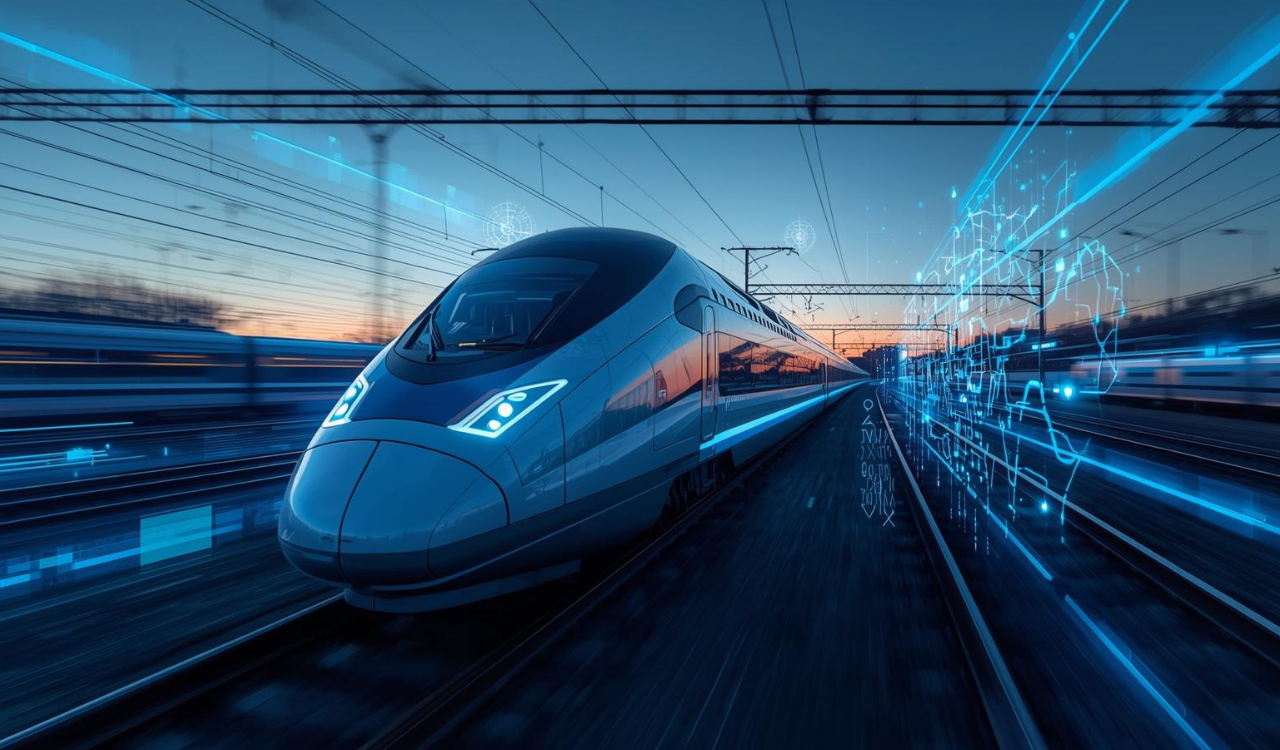
Welcome to the era of smart trains, where intelligence is no longer confined to the track—it moves with the train.
The Great Shift: From Trackside to Onboard Intelligence
Traditional signalling systems were infrastructure-heavy:
- Lineside signals dictated movement
- Track circuits detected train presence
- Relay interlockings ensured safety
Now, with the rise of the European Train Control System (ETCS), the paradigm has fundamentally changed.
– Movement authority is transmitted digitally
– Trains “know” how fast they can go and where they must stop
– Continuous communication replaces intermittent signalling
Instead of reacting to signals, trains now think, decide, and respond in real time.
Why ETCS is Taking Over Globally
Railways across the world are transitioning to ETCS as part of modernization and interoperability goals.
Here’s why:
- Standardization across countries (no more fragmented signalling systems)
- Higher speeds with enhanced safety
- Reduced dependency on physical infrastructure
- Better capacity utilization through real-time control
From Europe to India, ETCS is becoming the backbone of next-generation railways.
In India, flagship projects like:
- National Capital Region Transport Corporation (NCRTC)
- National High Speed Rail Corporation Limited (NHSRCL)
are actively deploying advanced train control systems aligned with ETCS principles.
– The message is clear: Future railways will not run on legacy signalling alone.
From Technician to System Thinker: The New Engineer
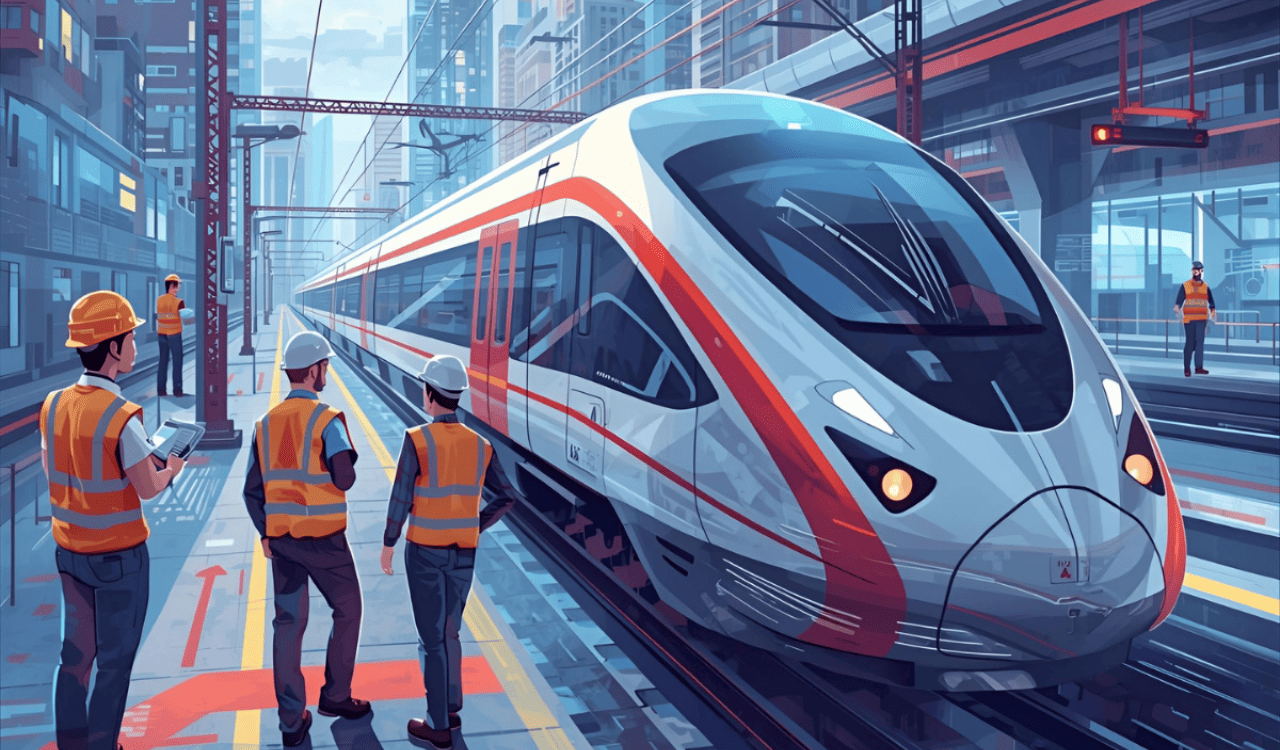
This transformation is not just technological—it’s deeply personal for engineers.
Earlier, expertise meant:
- Relay logic
- Circuit design
- Field installation
Now, the demand is shifting toward system-level thinking.
Key Skills Defining the ETCS Era
To stay relevant and grow, engineers must evolve into multidisciplinary professionals:
- System Engineering
Understanding how subsystems—track, train, telecom, and control centers—work together as one integrated ecosystem.
- Integration & Interfaces
ETCS is not a standalone system. It interacts with:
- Interlockings
- Radio systems (like GSM-R / LTE-R)
- Onboard computers
– Engineers must manage interfaces, data flows, and dependencies.
- Safety & Standards
Working with standards like:
- EN 50126 (RAMS)
- EN 50128 (Software)
- EN 50129 (Safety Case)
Safety is no longer just hardware-based—it’s software-driven and evidence-based.
- Telecom & Digital Communication

Continuous communication between train and track is critical.
– Knowledge of networking, protocols, and wireless systems is becoming essential.
Why ETCS Knowledge = Career Acceleration
Here’s the reality most engineers are beginning to realize:
– Projects are changing faster than skillsets.
Engineers who understand ETCS are:
- Getting opportunities in high-speed rail & metro mega projects
- Moving into international roles due to standardization
- Transitioning from site roles to design, consulting, and system engineering roles
- Becoming part of future-ready, high-paying domains
Meanwhile, those stuck in purely conventional signalling roles risk being left behind as systems evolve.
The Bigger Picture: Engineering the Future of Mobility
ETCS is not just a signalling upgrade—it’s a step toward:
- Autonomous train operations
- Real-time traffic management
- Data-driven railway ecosystems
It is laying the foundation for:
- Driverless trains (GoA4)
- Predictive maintenance
- Smart mobility networks
Final Thought
The railway industry is no longer asking “Do you know signalling?” but “Do you understand systems?”
Because the future belongs to engineers who can connect the dots—not just wire them.
Ask yourself:
Are you still learning how trains stop…
or are you ready to learn how modern trains think?
Want to go deeper?
Learn how modern trains think with our ETCS Fundamentals course at Zenith Railway Academy.