Introduction
High-speed rail (HSR) represents the pinnacle of modern railway engineering. With trains traveling at 300–400 km/h, these systems rely on cutting-edge technologies in aerodynamics, signaling, electrification, and digital monitoring. According to the International Union of Railways (UIC, 2024), global HSR investment will exceed USD 500 billion by 2040, with India, China, and the Middle East leading expansions. This growth is driving demand for a new generation of engineers equipped with specialized technical and digital skills to design, build, and operate high-speed networks.
Why HSR Technologies Are Transformative
- Ultra-Fast Mobility: HSR reduces travel times dramatically, connecting cities in hours instead of days.
- Sustainability: HSR emits 90% less CO₂ per passenger-km compared to air travel, making it a critical tool for net-zero goals.
- Global Collaboration: Projects involve multinational teams, from Japanese Shinkansen expertise to European ETCS signaling standards.
- Digitalization: IoT sensors, AI-driven monitoring, and digital twins are integral to HSR performance.
Core High-Speed Rail Technologies
1. Advanced Aerodynamics
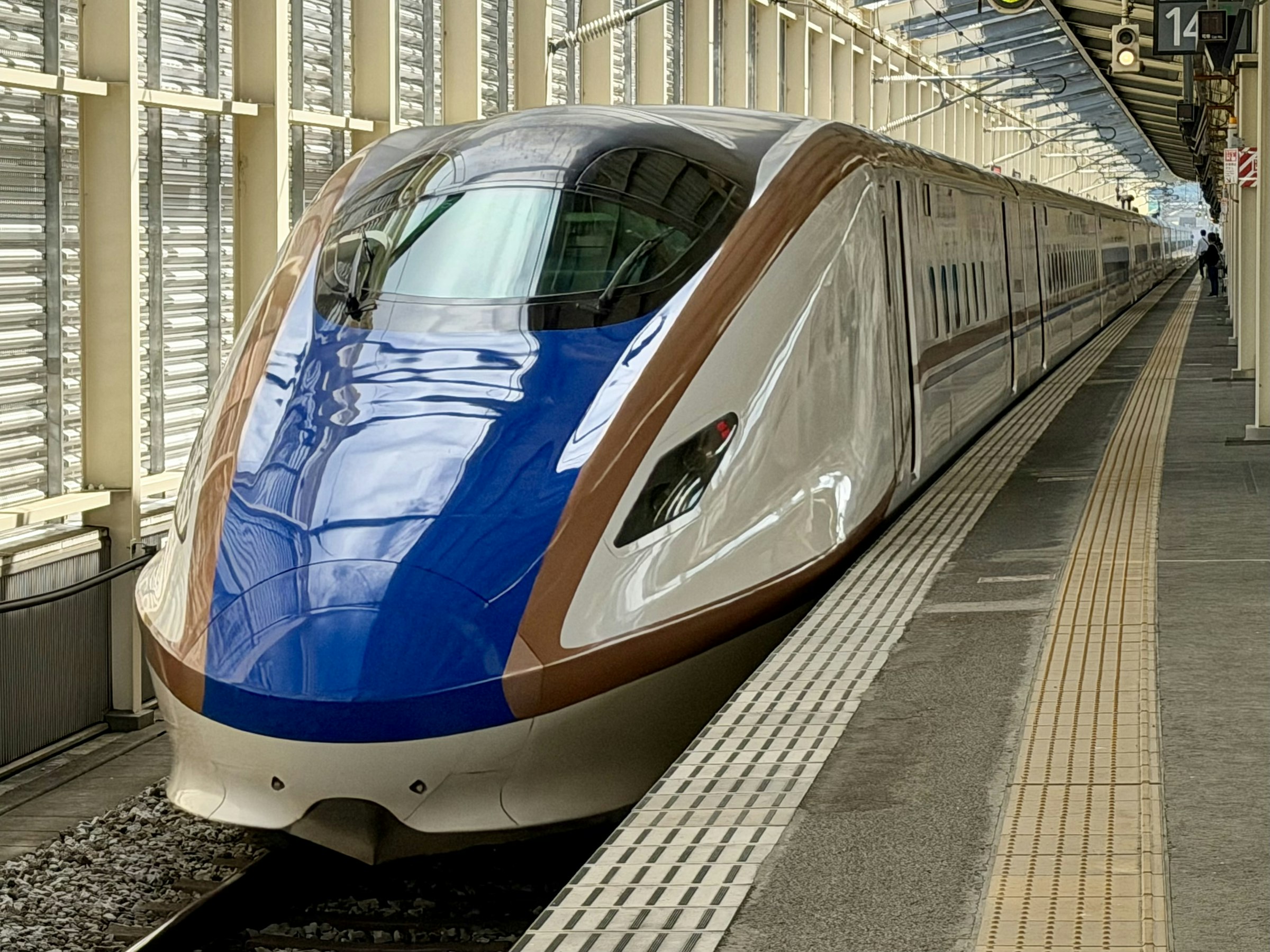
Train designs use streamlined nose cones, lightweight materials, and pressure-control systems to minimize drag and noise.