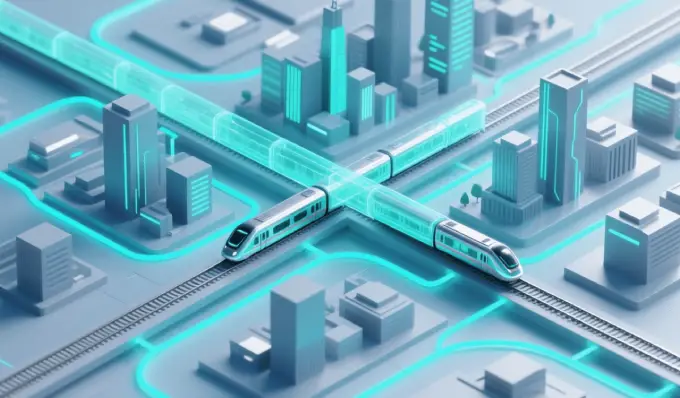
In a world rapidly transitioning toward cleaner, smarter, and more efficient mobility, one truth is becoming increasingly clear: railway electrification is no longer an option—it is a necessity. As nations strive to reduce carbon emissions, optimize energy usage, and modernize infrastructure, electrified rail systems are emerging as a cornerstone of sustainable transport.
The Sustainability Imperative
Transportation accounts for a significant share of global greenhouse gas emissions. Traditional diesel-powered trains, while reliable, contribute heavily to air pollution and fossil fuel dependency. Electrification offers a compelling alternative—zero emissions at the point of use, reduced noise pollution, and the ability to integrate with renewable energy sources such as solar and wind.
As governments commit to net-zero targets, electrified rail networks are playing a crucial role in reshaping how people and goods move—efficiently and responsibly.
What is Railway Electrification?
Railway electrification involves powering trains using electricity, typically supplied through Overhead Equipment (OHE) or third rail systems. Instead of onboard diesel engines, electric trains draw power from external sources, enabling:
- Higher energy efficiency
- Reduced operational costs over time
- Faster acceleration and braking
- Lower maintenance requirements
Key Advantages of Electrified Railways
- Environmental Benefits
Electric trains significantly reduce carbon emissions, especially when powered by renewable energy. This directly contributes to cleaner air and a healthier environment.
- Operational Efficiency
Electrified systems offer better acceleration and deceleration, allowing for improved timetable adherence and increased network capacity.
- Cost Effectiveness (Long-Term)
While initial infrastructure costs can be high, electrification leads to lower fuel and maintenance costs, making it economically viable in the long run.
- Energy Security
Reducing reliance on imported fossil fuels enhances national energy security and stability.
- Passenger Experience
Electric trains are quieter, smoother, and more reliable—enhancing overall passenger comfort.
Global Momentum Towards Electrification
Countries across Europe and Asia are aggressively expanding their electrified rail networks. India, for instance, has made remarkable progress, aiming for 100% electrification of its broad-gauge network—a transformative step toward sustainable mobility.
High-speed rail corridors, metro systems, and dedicated freight routes are increasingly being designed with electrification at their core, reinforcing its role in future-ready transport systems.
Challenges to Overcome
Despite its advantages, electrification comes with challenges:
- High initial capital investment
- Complex infrastructure upgrades
- Integration with existing diesel networks
- Skilled workforce requirements
However, with strategic planning, policy support, and technological innovation, these challenges are steadily being addressed.
The Role of Technology & Innovation
Modern electrification is not just about wires and substations—it’s about smart, integrated systems. Innovations such as:
- Regenerative braking
- Smart grid integration
- Energy-efficient traction systems
- Predictive maintenance using AI
are making electrified railways more intelligent and sustainable than ever before.
Opportunities for Railway Professionals
As electrification expands, so does the demand for skilled professionals in areas like:
- Overhead Equipment (OHE) design and maintenance
- Traction power systems
- Energy management
- Railway signaling integration
For aspiring railway engineers and professionals, this shift presents a massive opportunity to build future-proof careers in a rapidly evolving domain.
A Track Towards a Greener Tomorrow
Railway electrification is more than just a technological upgrade—it is a strategic investment in sustainability, efficiency, and resilience. As the world moves toward greener transport solutions, electrified railways will lead the charge, connecting cities, economies, and people—cleanly and efficiently.
The future of rail transport is electric. The question is no longer if we electrify—but how fast we can make it happen.
Want to go deeper?
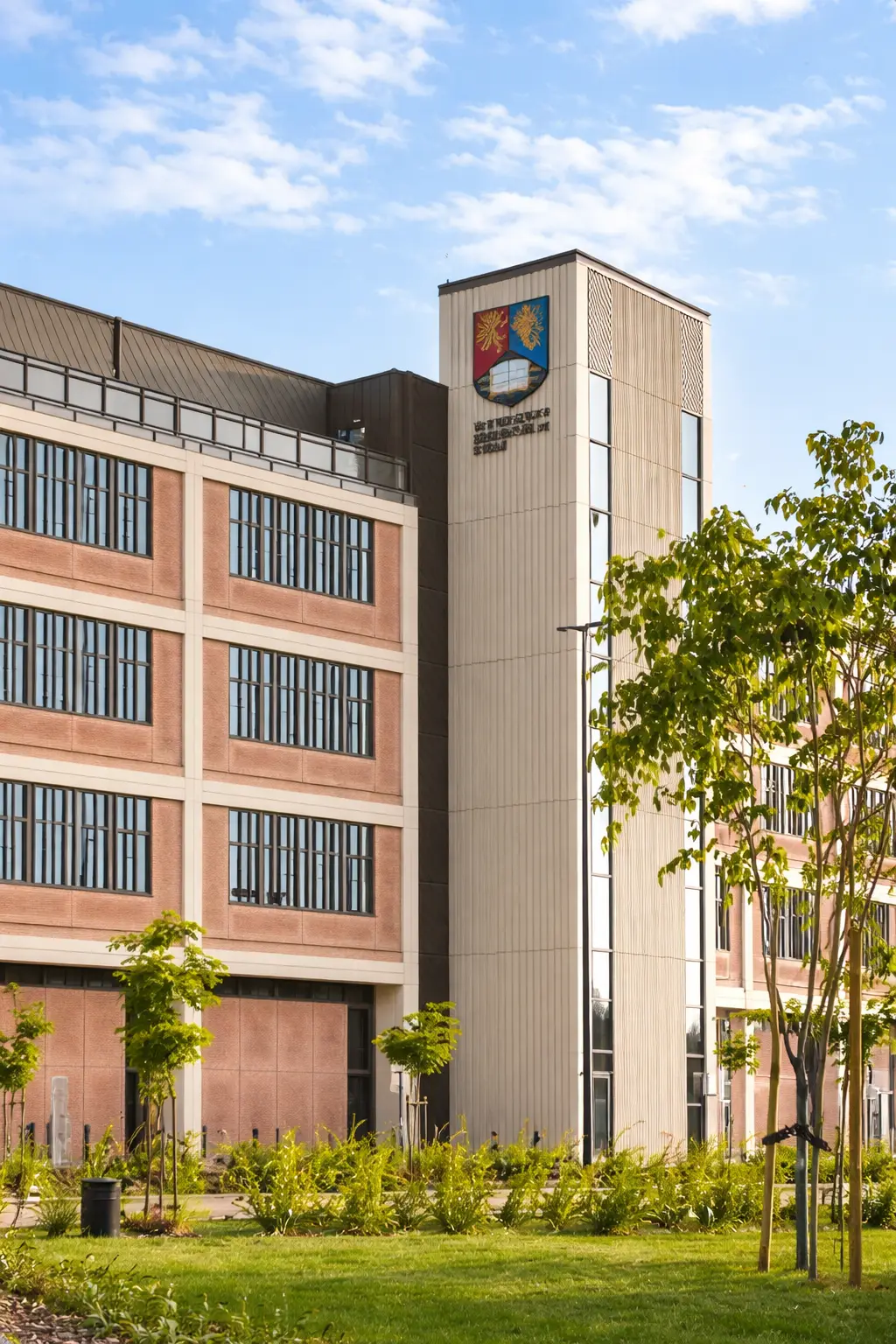
Build your expertise with our Railway Electrification & Traction Systems program at Zenith Railway Academy, in partnership with the University of Birmingham.