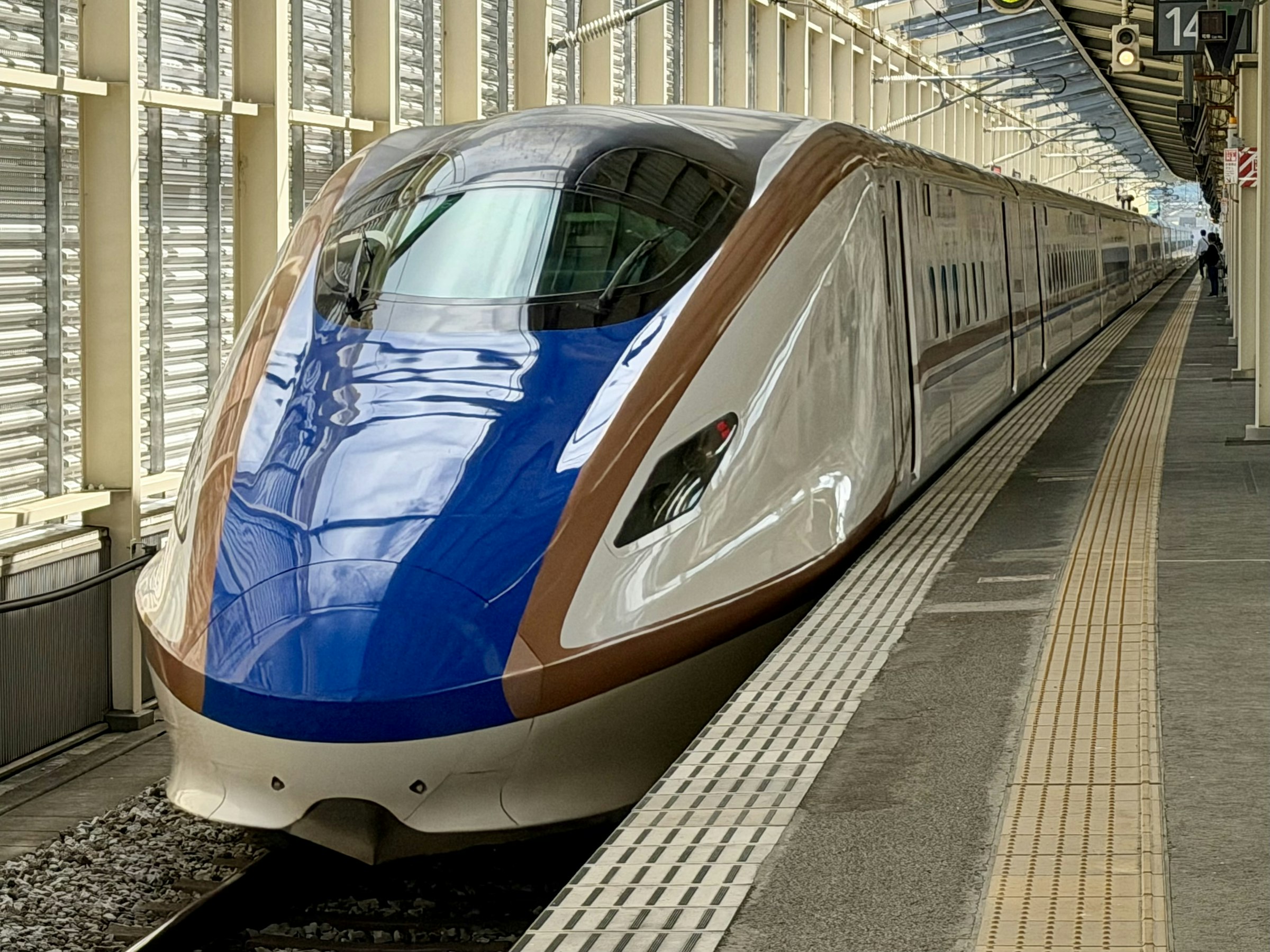
Railway electrification is no longer an option; it is a necessity for nations aiming to achieve sustainability, reduce costs, and modernize transport infrastructure. According to the International Energy Agency (IEA), more than 80% of global passenger rail traffic already runs on electricity, while freight electrification is expected to increase significantly by 2035. India, Europe, and the Middle East are investing billions in electrification, making it one of the most promising career domains for engineers and technical professionals.
This article explores why railway electrification is the future, what skills professionals must develop to stay relevant, and how certification courses can help bridge the skill gap.
Why Railway Electrification is the Future of Rail
Electrification offers undeniable advantages:
- Cost Savings: Indian Railways projects fuel savings of ₹13,000 crore annually once complete electrification is achieved by 2030.
- Environmental Impact: Electrification significantly reduces greenhouse gas emissions, making rail the most sustainable mode of land transport.
- Performance: Electric trains accelerate faster, require less maintenance, and provide more reliable service compared to diesel-powered trains.
The EU has tied its 2050 net-zero targets to full railway electrification, while Middle Eastern nations like Saudi Arabia and UAE are integrating electrified rail into their national development visions.
Skills in Demand for Electrification Careers
The surge in electrification is reshaping career opportunities. Professionals aspiring to excel in must build expertise in: