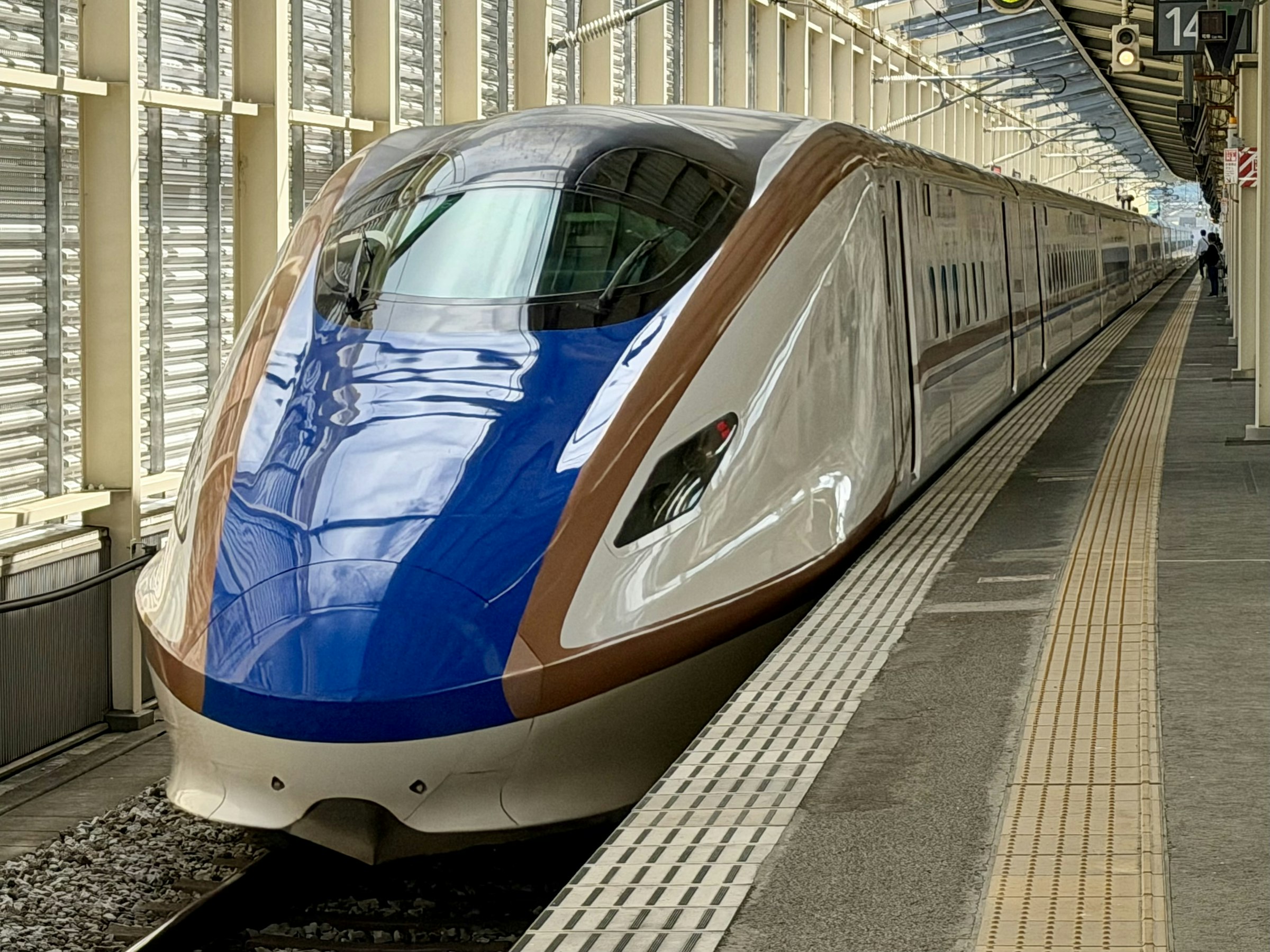
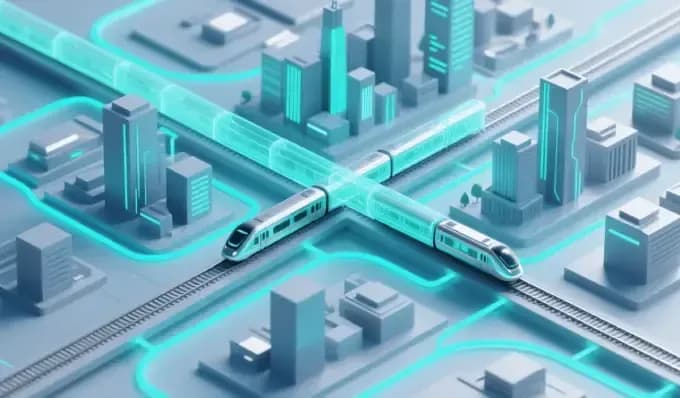
In a world rapidly transitioning toward cleaner, smarter, and more efficient mobility, one truth is becoming increasingly clear: railway electrification is no longer an option—it is a necessity. As nations strive to reduce carbon emissions, optimize energy usage, and modernize infrastructure, electrified rail systems are emerging as a cornerstone of sustainable transport.
The Sustainability Imperative
Transportation accounts for a significant share of global greenhouse gas emissions. Traditional diesel-powered trains, while reliable, contribute heavily to air pollution and fossil fuel dependency. Electrification offers a compelling alternative—zero emissions at the point of use, reduced noise pollution, and the ability to integrate with renewable energy sources such as solar and wind.
As governments commit to net-zero targets, electrified rail networks are playing a crucial role in reshaping how people and goods move—efficiently and responsibly.
What is Railway Electrification?
Railway electrification involves powering trains using electricity, typically supplied through Overhead Equipment (OHE) or third rail systems. Instead of onboard diesel engines, electric trains draw power from external sources, enabling:
- Higher energy efficiency
- Reduced operational costs over time
- Faster acceleration and braking
- Lower maintenance requirements
Key Advantages of Electrified Railways
- Environmental Benefits
Electric trains significantly reduce carbon emissions, especially when powered by renewable energy. This directly contributes to cleaner air and a healthier environment.