Designing the Trains of Tomorrow: Lightweight Materials and Aerodynamic Innovations
RA
Railway Academy Editorial
Oct 25, 20256 min read
Share
The future of railway transportation depends not just on speed — but on efficiency, safety, and sustainability. Across the world, rail operators and manufacturers are adopting lightweight materials and aerodynamic design innovations to enhance performance while reducing energy consumption and carbon emissions.
The future of railway transportation depends not just on speed — but on efficiency, safety, and sustainability. Across the world, rail operators and manufacturers are adopting lightweight materials and aerodynamic design innovations to enhance performance while reducing energy consumption and carbon emissions.
According to the International Energy Agency (IEA, 2025), the rail industry accounts for 9% of global passenger movement but only 2% of total transport emissions — a statistic largely attributed to ongoing technological innovation in rolling stock design.
As climate goals tighten and cities expand, engineers are tasked with designing smarter, lighter, and faster trains. This evolution is driving new career opportunities in design, materials science, and mechanical systems engineering.
The Need for Lightweight and Aerodynamic Design
High-speed and metro systems face a growing demand for energy efficiency. Reducing train mass by even 10% can cut energy consumption by 6–8%, while aerodynamic improvements can lower air resistance by up to 20% at speeds above 250 km/h (source: European Rail Research Advisory Council, 2024).
The two primary design strategies shaping next-generation rolling stock are:
Lightweight Materials: Focused on using aluminum, composites, and hybrid alloys to reduce structural weight without compromising strength.
Aerodynamic Optimization: Focused on minimizing drag through advanced body shaping, bogie shielding, and undercarriage streamlining.
Together, they form the foundation of energy-efficient, high-speed, and sustainable railway systems.
The Materials Revolution in Rolling Stock
1. Aluminum Alloy Structures
Aluminum has replaced traditional steel in modern train car bodies. It offers a weight reduction of 30–40%, is corrosion-resistant, and supports modular manufacturing.
Example:
Siemens Velaro high-speed trains use aluminum extrusions that reduce total weight by 20 tons per trainset, enhancing acceleration and braking efficiency.
2. Composite Materials
Carbon fiber-reinforced polymers (CFRP) and glass fiber composites are now widely used in doors, panels, and nose cones due to their high strength-to-weight ratio.
Case in Point:
Bombardier Zefiro trains use composite front-end structures that withstand high impact while saving 15% in total material weight.
3. Hybrid Materials
Hybrid sandwich panels, combining metal and polymer layers, are emerging for crash zones and energy absorption.
Research Insight: According to Mordor Intelligence (2025), the global rail composites market will reach USD 4.7 billion by 2030, growing at a CAGR of 6.8%.
Advancements in Aerodynamic Design
At speeds exceeding 300 km/h, air resistance becomes the dominant factor in energy consumption. Modern rail design now integrates computational fluid dynamics (CFD) and wind tunnel simulations to refine aerodynamics.
Aerodynamic Innovation
Description
Energy Saving Potential
Streamlined Nose Design
Reduces pressure waves and drag
10–15%
Bogie Fairings
Smooths airflow around wheels and suspension
8–10%
Roof and Undercarriage Covers
Minimizes turbulence from exposed equipment
5–8%
Gap Sealing
Eliminates airflow between cars
2–3%
Tail Tapering
Reduces wake turbulence
10%
Case Study: Japan’s Shinkansen N700S incorporates an “Advanced Aerodynamic Nose” design that reduces tunnel boom noise and drag by 13%, increasing energy efficiency by 7%.
Digital Tools Shaping the Future of Train Design
Digital simulation tools are essential for optimizing materials and aerodynamics.
Finite Element Analysis (FEA): Tests structural integrity and crash performance virtually.
Computational Fluid Dynamics (CFD): Models airflow behavior for aerodynamic optimization.
Digital Twin Platforms: Simulate the lifecycle performance of trains, predicting how materials behave under stress, fatigue, and environmental impact.
AI-Based Generative Design: Algorithms create optimized component geometries for maximum efficiency.
Industry Trend: The digital engineering software market in rail design is projected to grow by 11% annually through 2030, as rail OEMs digitize end-to-end product design workflows (Source: Deloitte Digital Rail Survey, 2025).
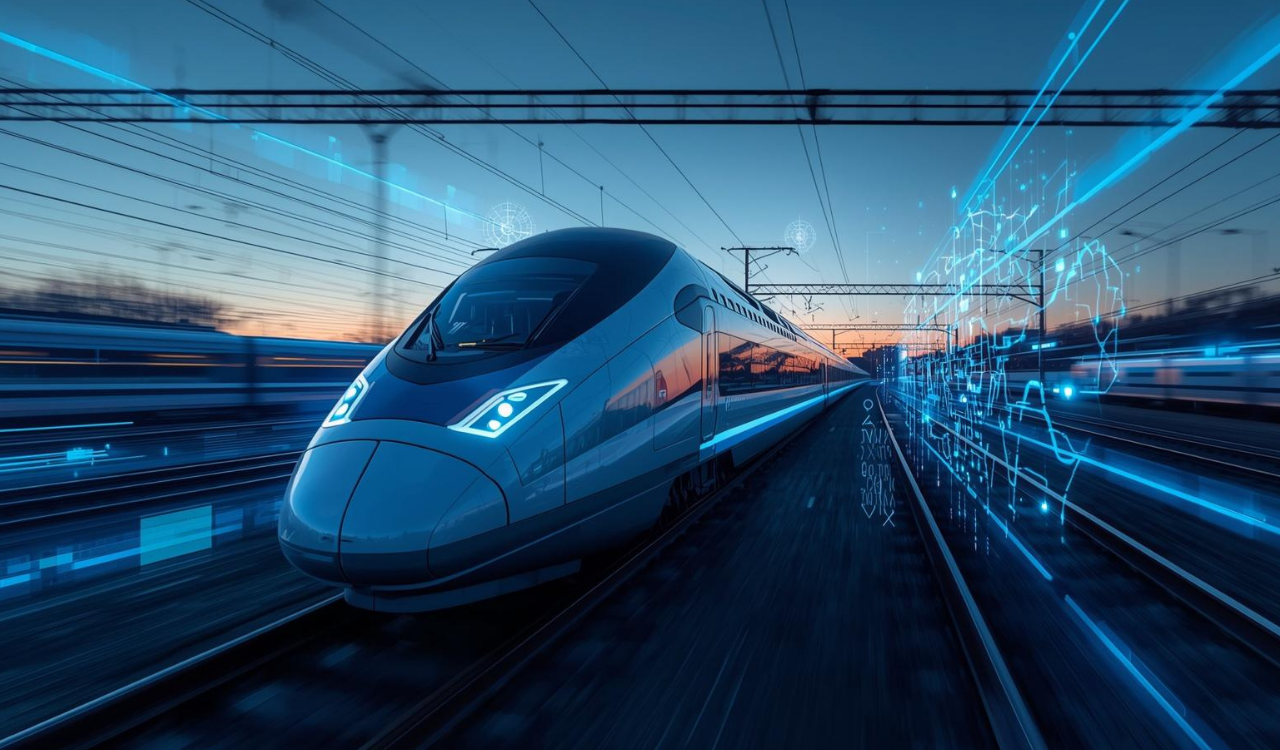
Figure 1. Digital Tools Shaping the Future of Train Design
Sustainability and Environmental Benefits
Lightweight and aerodynamic innovations significantly reduce environmental impact.
Impact Area
Benefit
Data Insight
Energy Efficiency
Lower traction energy consumption
20–25% savings
Carbon Reduction
Fewer emissions due to lower energy needs
Up to 35%
Noise Pollution
Streamlined designs reduce tunnel noise
5–10 dB decrease
Lifecycle Impact
Recyclable materials lower end-of-life waste
60% recyclability rate
The European Green Rail Initiative (EGRI) estimates that by 2030, over 80% of new rolling stock will use lightweight materials to meet global decarbonization targets.
Real-World Examples of Modern Train Design
Alstom Avelia Liberty (USA)
30% lighter than previous Acela Express models.
Uses aluminum composite car bodies and active tilting for aerodynamics.
Talgo Avril (Spain)
Modular lightweight construction with carbon composites.
Achieves 25% better energy efficiency than earlier models.
Hitachi AT300 Series (UK)
Hybrid trainsets using aluminum and advanced bogie fairings.
Designed for both electric and diesel traction with minimal drag.
Indian Vande Bharat Express (India)
Aerodynamic nose design with lightweight stainless steel.
15% better acceleration efficiency and reduced maintenance costs.
Career and Skill Development in Rolling Stock Design
As digital and material technologies advance, engineers need multi-domain expertise that bridges mechanical design, materials engineering, and computational analysis.
Essential Skills for Modern Designers:
Knowledge of mechanical and structural design principles.
Proficiency in CAD/CAE tools (CATIA, SolidWorks, ANSYS).
Understanding of aerodynamics and CFD simulations.
Familiarity with sustainable material selection and lifecycle design.
Competence in digital twin and AI-based modeling.
Figure 2. Career and Skill Development in Rolling Stock Design
Career Data (2025): Design engineers skilled in digital simulation and lightweight materials earn 30–40% higher salaries globally (PwC Rail Workforce Report).
Job Roles and Global Opportunities
Job Role
Focus Area
Employers
Rolling Stock Design Engineer
Car body and structure design
Siemens, Alstom, Talgo
Aerodynamics Engineer
CFD analysis and design optimization
Hitachi, CAF, Indian Railways
Materials Engineer
Research on composites and alloys
Bombardier, Stadler
Digital Twin Specialist
Lifecycle performance simulation
SNCF, Deutsche Bahn
Sustainability Engineer
ESG compliance and lifecycle management
Infrastructure consultancies
Top Hiring Regions (2025): India, Europe, Japan, UAE, and the UK — driven by metro expansion and high-speed train manufacturing.
Challenges in Adopting New Designs
Cost of Advanced Materials: Composites are 3–4x more expensive than steel.
Certification Barriers: Safety compliance for new materials is complex.
Manufacturing Scalability: Large-scale composite production requires specialized facilities.
Despite these hurdles, technological innovation and sustainability mandates are accelerating global adoption.
The Future of Rolling Stock Design
By 2035, the next generation of trains will embody “intelligent aerodynamics” — adaptive designs that self-adjust to external conditions. Innovations like smart materials, 3D-printed components, and AI-driven design validation will redefine rolling stock engineering.
Future Focus Areas:
AI-optimized car body geometries.
Recyclable composite frames.
Embedded sensors for health monitoring.
Autonomous design validation through digital twins.
Conclusion
The race to build the trains of tomorrow is not just about speed — it’s about sustainability, efficiency, and innovation. Lightweight materials and aerodynamic advancements are shaping a new era of rail design, where every gram saved and every curve refined contributes to a greener future.
For engineers and designers, this transformation represents vast opportunities to lead in mechanical design, materials science, and digital modeling — the building blocks of modern mobility.