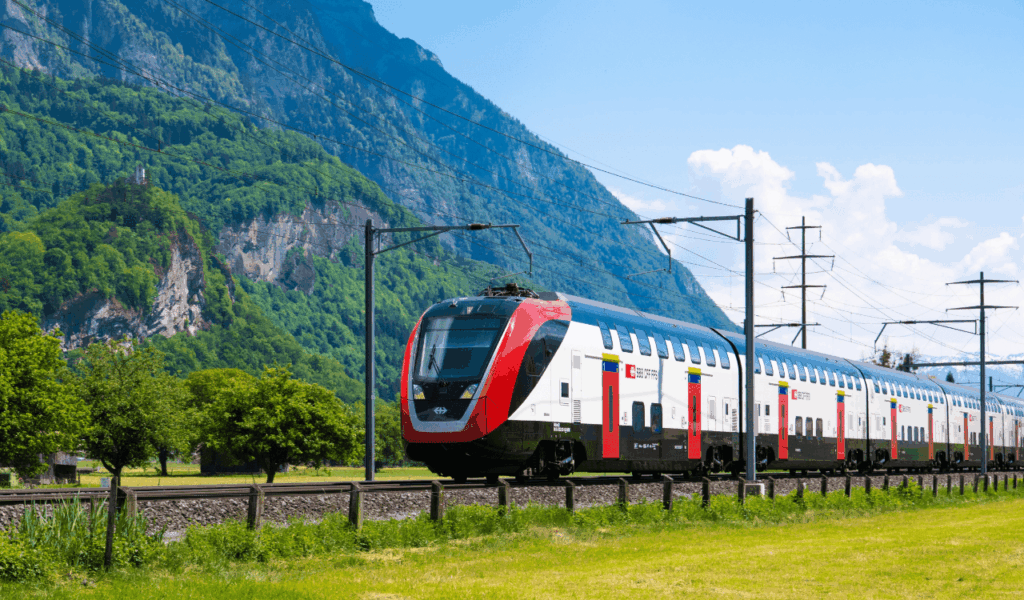
The railway industry is experiencing a historic transformation — not just in operations but in how rolling stock maintenance is planned, executed, and optimized.
Traditionally, rail maintenance was reactive: repairs occurred only after failures. Over time, this evolved into preventive maintenance, based on fixed schedules and component lifecycles. But today, thanks to digital transformation, rail operators are entering the era of predictive maintenance — where AI, IoT sensors, and data analytics forecast issues before they occur.
According to Allied Market Research (2024), the global predictive maintenance market for railways is projected to reach USD 12.5 billion by 2030, growing at a CAGR of 22%. This shift is reducing downtime, optimizing costs, and reshaping maintenance engineering careers across the world.
This article explores how digital technologies are revolutionizing rolling stock maintenance, the skills required for this evolution, and the new career paths emerging from this transformation.
The Evolution of Rolling Stock Maintenance
Maintenance TypeKey CharacteristicsLimitationsDigital Evolution
Reactive
Fix after failure
High downtime & cost
Transition to proactive systems
Preventive
Time or usage-based schedules
Over-maintenance risk
Condition-based monitoring
Predictive
Data-driven forecasts using AI & IoT
Requires digital skills & infrastructure
Autonomous maintenance planning
Traditional methods relied on inspection schedules and manual diagnostics. Predictive systems, however, utilize real-time data from train components — such as traction motors, braking systems, bogies, HVAC units, and doors — to detect anomalies long before failure.
How Digital Transformation Works in Rolling Stock
Digital transformation involves integrating multiple layers of technology to create smart, connected trains that continuously monitor their own health.
1. IoT Sensor Integration
Modern rolling stock is equipped with thousands of sensors measuring parameters like temperature, vibration, and pressure. These sensors stream data into central systems for real-time monitoring.
2. AI and Machine Learning
Algorithms learn from historical failure data to identify early warning signs — for instance, recognizing subtle vibration changes that predict bearing wear.
3. Big Data Analytics
Cloud platforms analyze millions of data points daily. Analytics dashboards visualize risk levels, enabling maintenance teams to plan interventions precisely when needed.
4. Digital Twins
A digital twin is a real-time digital replica of a train or subsystem. It simulates the impact of wear and external conditions, allowing engineers to test scenarios and optimize maintenance without halting service.
Industry Data: A 2025 Siemens Mobility study found that predictive digital maintenance reduced fleet downtime by 30% and lowered maintenance costs by 25%.
Case Study: Alstom’s Predictive Maintenance Model
Alstom has implemented HealthHub, a digital platform for predictive rolling stock maintenance used across Europe and Asia.
Key Features:
- 250+ sensors per train for continuous data capture
- Cloud analytics for real-time diagnostics
- AI algorithms predicting component failure with 90% accuracy
Results:
✔️ 30% reduction in unplanned stoppages
✔️ 25% savings in operational costs
✔️ 40% increase in component lifespan
The HealthHub model demonstrates how AI + data integration not only improves reliability but also drives sustainability by extending asset life.
Predictive Maintenance Technologies Used in Rolling Stock
TechnologyFunctionImpact
IoT Sensors
Continuous monitoring of key systems
Real-time asset visibility
AI Algorithms
Predict failures based on pattern recognition
Prevent accidents and delays
Cloud Computing
Data aggregation and analytics
Centralized, scalable data access
Blockchain
Ensures data security and traceability
Transparency in maintenance records
Digital Twin Simulation
Tests stress and wear virtually
Optimizes maintenance cycles
These innovations form the backbone of modern fleet management systems — combining mechanical reliability with digital intelligence.
Benefits of Predictive Maintenance in Rolling Stock
ParameterTraditional ApproachPredictive ApproachImprovement
Downtime
Reactive repairs
Condition-based intervention
30–40% reduction
Maintenance Cost
Fixed, high
Optimized, on-demand
20–25% savings
Safety
Manual detection
Automated alerts
50% improvement
Asset Utilization
Under-optimized
Data-driven allocation
35% increase
Sustainability
Shorter component life
Extended lifecycle
+15 years average
(Source: Deloitte Railway Analytics Report, 2025)
These measurable outcomes show that predictive maintenance is not only a cost-saving tool — it’s a strategic asset for modern rail management.
Global Examples of Digital Rolling Stock Programs
- Siemens Mobility – Railigent X
Siemens’ platform analyzes data from 100,000+ assets, helping operators make real-time maintenance decisions across Europe. - Reduces downtime by 25%
Figure 1. Global Examples of Digital Rolling Stock Programs - Enhances operational transparency
- Reduces downtime by 25%
- Indian Railways – SMART Maintenance Program
Indian Railways is deploying AI systems for locomotive condition monitoring. - 3,000+ locomotives to be IoT-enabled by 2026
- Goal: Reduce failures by 40%
- Hitachi Rail – Lumada IoT Suite
Integrates sensors, analytics, and AI to monitor rolling stock performance. - Used by UK, Japan, and Italy
- Predictive analytics improve availability by 98%
- DB Cargo – Data-driven Freight Fleet
Germany’s Deutsche Bahn Cargo uses predictive analytics for freight wagon management, saving €20M annually.

Skill Requirements for Digital Maintenance Professionals
As rolling stock becomes more intelligent, professionals must blend mechanical expertise with digital competencies.
Essential Skills Include:
- Understanding of rolling stock systems (braking, traction, bogies)
- Data analytics and AI fundamentals
- Proficiency in Python, MATLAB, or SQL for data analysis
- Experience with condition monitoring tools (Railigent, HealthHub, Lumada)
- Familiarity with RAMS (Reliability, Availability, Maintainability, Safety) frameworks
- Knowledge of cybersecurity protocols in connected systems
Career Data (2025): Engineers skilled in predictive maintenance earn 35–40% higher salaries, with international opportunities across OEMs like Siemens, Alstom, and Hitachi (McKinsey Rail Workforce Report).
Career Opportunities in Digital Rolling Stock Maintenance
RoleKey FunctionTypical Employers
Predictive Maintenance Engineer
Analyze data and forecast failures
Siemens, Alstom, Indian Railways
Fleet Reliability Analyst
Manage data-driven performance dashboards
DB Cargo, Hitachi Rail
IoT Integration Engineer
Implement and maintain sensor networks
Bombardier, Talgo
Digital Twin Specialist
Simulate asset performance and wear
SNCF, CAF
RAMS & Data Analytics Consultant
Develop AI-enabled maintenance models
Consulting firms, OEMs
Data Insight: Market and Workforce Trends
- Global Rolling Stock Analytics Market (2025): USD 6.4 billion valuation (Source: Mordor Intelligence)
- AI and Predictive Systems CAGR: 22% growth expected through 2030
- India’s Modernization Drive: 25% of fleet expected to be digitally managed by 2028
Figure 2. Data Insight: Market and Workforce Trends - Workforce Shift: By 2030, 1 in 3 maintenance engineers will require analytics and AI training

These figures highlight how predictive maintenance is reshaping not only operations but also career trajectories in the rail ecosystem.
Challenges in Implementing Digital Maintenance
- Data Fragmentation: Inconsistent data formats across systems limit AI efficiency.
- Legacy Fleets: Older trains require retrofitting for sensor integration.
- Skill Gaps: Many mechanical engineers lack digital literacy.
- Cybersecurity Risks: Increased connectivity introduces new vulnerabilities.
- Cost of Implementation: Digital infrastructure demands significant upfront investment.
To overcome these challenges, operators are partnering with academia and training providers like Railway Academy to build a digitally skilled workforce ready for the predictive era.
The Road Ahead
By 2030, predictive maintenance will become the default standard in rolling stock management. The convergence of AI, IoT, and RAMS will enable zero-defect operations and autonomous diagnostics.
Future focus areas include:
- Fully AI-controlled depot maintenance systems
- Blockchain-based maintenance certification
- Integration of 5G for faster real-time analytics
- Sustainable operations through smart material usage
Professionals who master these technologies today will be tomorrow’s fleet leaders.
Conclusion
Digital transformation is redefining how railways maintain, monitor, and optimize rolling stock. From predictive analytics and IoT integration to AI-driven decision-making, the shift is clear — data is the new backbone of maintenance excellence.
For engineers and professionals in the railway sector, this is not a disruption — it’s an opportunity to lead the future of intelligent rail systems.
Want to go deeper?
Take your expertise beyond mechanical systems with our Introduction to Wayside Monitoring Systems for Rolling Stock course at Zenith Railway Academy.