Introduction
As railway networks expand and new technologies emerge, operators face a critical question — should they invest billions in brand-new trains, or can existing rolling stock be modernized to match the performance of newer models?
The answer increasingly lies in retrofitting — the process of upgrading legacy rolling stock with new components, technologies, and digital systems to extend their lifespan, improve energy efficiency, and meet modern regulatory standards.
According to Allied Market Research (2025), global rail modernization and retrofitting projects are expected to exceed USD 75 billion by 2030, with more than 60% of operators prioritizing digital upgrades over complete replacements.
Retrofitting is not just a cost-saving measure — it’s an environmental and operational necessity in the era of sustainable transportation.
Why Retrofitting Matters in Modern Rail Systems
Retrofitting enables operators to bridge the gap between aging infrastructure and new-generation rail technologies without interrupting service.
Key drivers include:
✔️ Sustainability: Refurbishing trains reduces material waste and lowers carbon emissions compared to manufacturing new fleets.
✔️ Cost Efficiency: Upgrading components can cost 40–60% less than purchasing new rolling stock.
✔️ Performance Enhancement: Retrofitted systems can achieve up to 90% of new-model efficiency.
✔️ Compliance: Ensures legacy trains meet modern safety and emission standards.
✔️ Passenger Experience: Modern interiors, HVAC systems, and digital controls enhance comfort and reliability.
Example: Retrofitting London Underground’s 1970s-era trains saved 35% in energy consumption while extending fleet life by 20 years.
Major Areas of Rolling Stock Retrofitting
Retrofitting typically involves integrating mechanical, electrical, and digital upgrades. The main modernization areas include:
Retrofitting AreaDescriptionKey Benefits
Traction & Propulsion Systems
Replacement of old DC motors with AC traction systems
Improved energy efficiency and acceleration
Braking Systems
Installation of regenerative braking units
Energy recovery up to 20%
Interior Upgrades
LED lighting, ergonomic seating, and smart displays
Enhanced passenger comfort
Digital Monitoring Systems
IoT sensors for real-time condition monitoring
Predictive maintenance capability
Safety & Control Systems
Integration of CBTC, ETCS, or TPWS systems
Compliance with global safety norms
HVAC & Energy Systems
Smart temperature and energy control modules
Reduced operational costs
Digital Retrofitting: The Heart of Modern Upgrades
Digitalization has transformed how railway operators approach retrofitting. Beyond physical improvements, the focus now lies in smart, data-driven modernization.
1. IoT-Based Health Monitoring
Sensors installed on bogies, wheels, and traction systems capture vibration, temperature, and pressure data, transmitting it to centralized dashboards for analysis.
Benefit: Predictive maintenance reduces breakdowns by 30–40%.
2. AI-Powered Diagnostics
AI algorithms detect early signs of failure and optimize maintenance schedules based on actual component wear.
Example: Indian Railways’ AI-based inspection system identified faults in 20% of wagons before visible damage occurred.
3. Digital Twin Integration
A digital twin — a virtual model of the train — simulates performance scenarios, predicting component fatigue or system failure in advance.
Impact: 25% improvement in maintenance efficiency (Source: McKinsey Transport Insight, 2024).
4. Smart Passenger Systems
Upgrades include Wi-Fi, digital signage, occupancy tracking, and HVAC automation for real-time comfort optimization.
Case Study: Deutsche Bahn (DB) Germany
Deutsche Bahn has one of the largest retrofitting programs globally.
Project Overview:
- Retrofitted over 1,200 passenger coaches between 2018–2024.
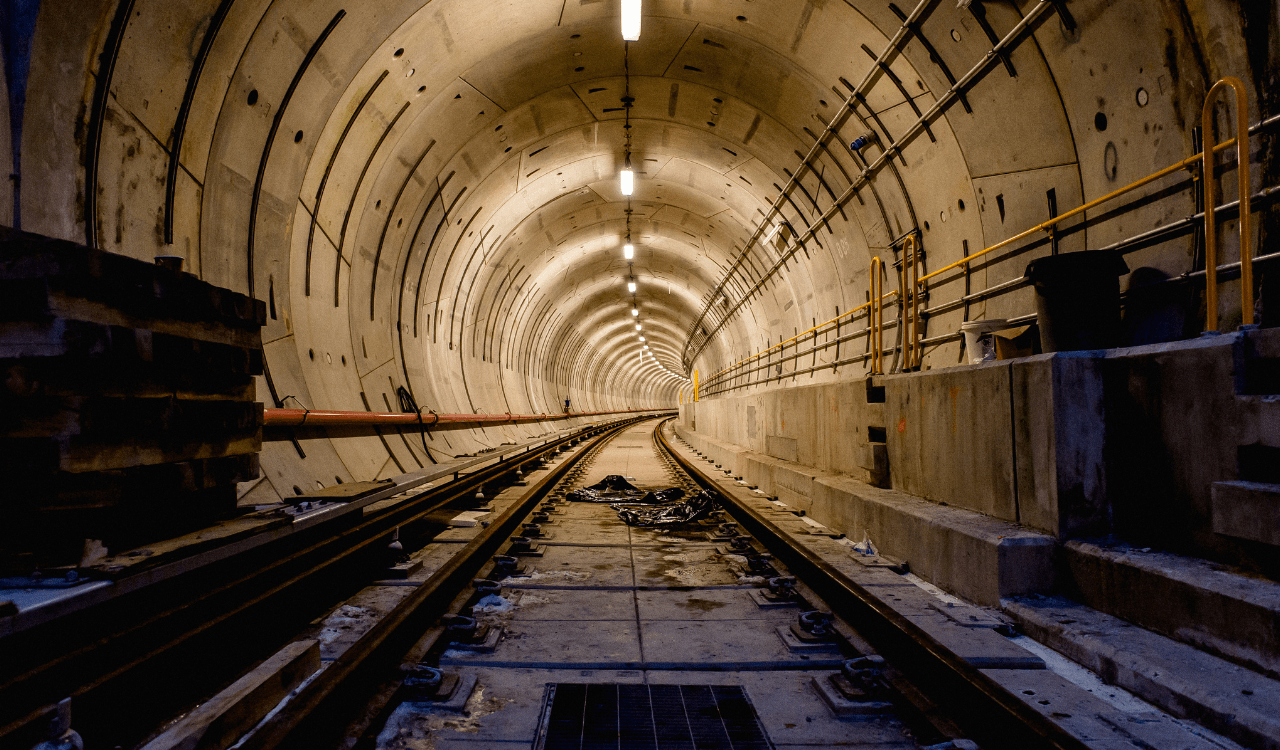
Figure 1. Case Study: Deutsche Bahn (DB) Germany - Integrated energy-efficient traction converters, AI-based diagnostics, and interior modernization.

Key Results:
✔️ 30% reduction in energy use.
✔️ 15-year life extension per coach.
✔️ 98% on-time performance improvement.
This project proved that retrofitting can deliver sustainability and reliability comparable to new fleet investments.
Retrofitting in India: Modernizing a Legacy Network
India operates one of the world’s oldest and largest rail networks, with thousands of coaches exceeding 25 years in service. Retrofitting offers an economical way to upgrade them to modern standards.
Key Initiatives by Indian Railways (IR):
- Vande Bharat Transformation Plan: Older coaches refurbished with energy-efficient propulsion and smart monitoring systems.
- RDSO Modernization: Implementation of lightweight stainless-steel coach bodies and digital condition monitoring.
- EMU and Metro Fleet Upgrades: Enhanced safety systems and automatic door operations.
Impact: 25% cost savings compared to new train procurement, and 15% improvement in operational uptime.
Career and Skill Development Opportunities
The global retrofitting boom is creating demand for engineers with hybrid skills in mechanical, electrical, and digital systems.
In-Demand Roles
Job RoleKey ResponsibilitiesExample Employers
Retrofit Design Engineer
Plan modernization blueprints for existing trains
Alstom, Siemens, IR
Digital Systems Integrator
Implement IoT and AI solutions in retrofits
Hitachi Rail, DB Cargo
RAMS Specialist
Ensure reliability and safety compliance
Consulting & Engineering firms
Project Manager (Retrofit)
Oversee fleet-wide modernization programs
Indian Railways, SNCF
HVAC and Interior Engineer
Upgrade energy-efficient interiors and air systems
Stadler, Talgo
Skills Professionals Must Develop
✔️ Systems Integration: Understanding how new technologies interact with old mechanical systems.
✔️ Electrical and Traction Knowledge: Expertise in AC/DC motor systems, converters, and regenerative braking.
✔️ Data Analytics & IoT Tools: Python, PowerBI, and SCADA for digital retrofitting analysis.
✔️ RAMS Methodology: Ensuring safety and maintainability compliance.
✔️ Project & Cost Management: Managing multi-phase modernization projects efficiently.
Career Insight (2025): Engineers specializing in digital retrofitting earn 25–35% higher than traditional maintenance professionals due to their dual technical and analytical expertise.
Data-Driven Benefits of Retrofitting
MetricTraditional FleetRetrofitted FleetImprovement
Energy Efficiency
100% baseline
125%
+25%
Lifecycle Extension
20 years
35 years
+15 years
Maintenance Cost
₹8 lakh/year
₹5.5 lakh/year
–31%
Carbon Emission Reduction
—
28% lower
—
Passenger Comfort Index
6.5/10
8.9/10
Improved Experience
(Source: Deloitte Rail Modernization Report, 2025)
Challenges in Retrofitting Projects
- Compatibility Issues: Integrating modern systems with old frameworks requires deep technical expertise.
- Certification and Testing: Compliance with EN, IEC, and Indian standards takes significant time.
- Funding and Budgeting: Retrofitting large fleets demands long-term financing models.
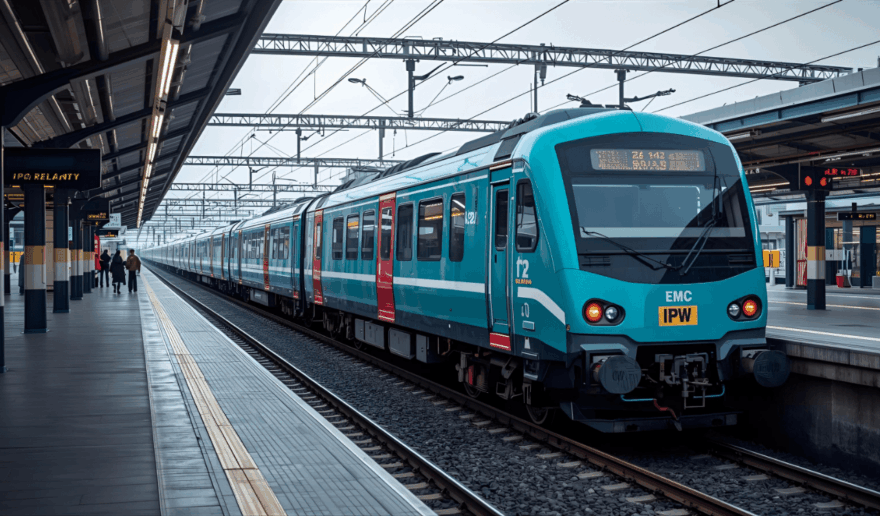
Figure 2. Challenges in Retrofitting Projects - Workforce Training: Upskilling maintenance staff for digital systems remains a challenge.
- Data Management: Standardizing legacy data for predictive systems is complex.

To mitigate these challenges, countries like India and France are setting up dedicated retrofit engineering centers and promoting public-private partnerships in modernization.
Global Retrofitting Success Stories
OperatorCountryKey Modernization ElementResult
SNCF
France
Refurbished TGV interiors and safety systems
20% reduction in lifecycle costs
Tokyo Metro
Japan
Digital monitoring + energy-efficient HVAC
18% energy savings
Network Rail
UK
Bogie health monitoring retrofits
25% fewer failures
Indian Railways
India
Smart coach retrofits
30% fewer maintenance delays
The Future of Retrofitting
By 2030, nearly half of the world’s operational train fleets will undergo some form of digital or structural retrofitting. The integration of AI, IoT, RAMS, and sustainable materials will make retrofitting the default modernization strategy for rail operators worldwide.
Future retrofits will focus on:
- Integration of 5G and edge computing for real-time diagnostics.
- Use of lightweight, modular components to ease replacement.
- Adoption of AI-based self-healing systems for predictive automation.
- Enhanced passenger connectivity and digital experience upgrades.
This evolution positions retrofitting as both a technical necessity and a strategic opportunity for engineers, consultants, and rail enterprises.
Conclusion
Retrofitting represents the future of sustainable rail development. It blends the engineering legacy of older fleets with the digital intelligence of modern systems, ensuring that railway operations remain efficient, eco-friendly, and safe.
For professionals, mastering retrofitting technologies means playing a vital role in the industry’s transition to smart, data-driven mobility — where innovation meets sustainability.
Want to go deeper?
Future-proof your expertise with our Rolling Stock Systems Engineering for Railways and Metros course at Zenith Railway Academy.