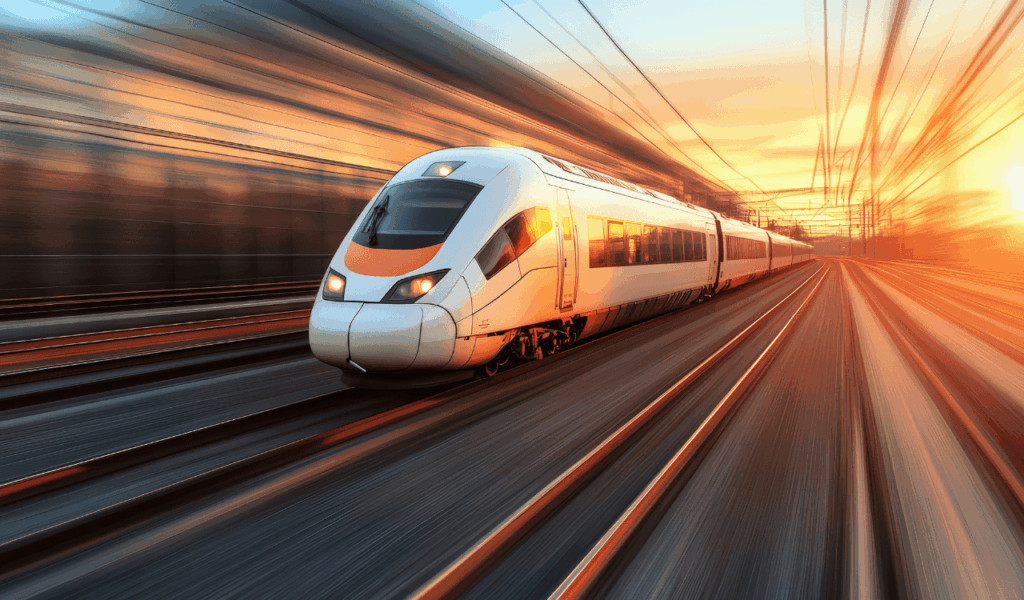
In today’s rail industry, data is the new fuel powering operational efficiency, safety, and cost optimization. As trains become smarter and rail systems more interconnected, data analytics has emerged as a transformative force in fleet management and maintenance.
According to McKinsey’s Global Rail Analytics Report (2025), railway operators adopting predictive and prescriptive analytics achieve up to 25% reduction in maintenance costs and 30% higher fleet availability.
This evolution signifies more than just automation—it represents a complete cultural shift in how railway operators, engineers, and policymakers view decision-making, performance tracking, and operational excellence.
Understanding Data Analytics in Rail Fleet Management
Fleet optimization refers to managing train assets in a way that maximizes uptime, minimizes cost, and ensures safety. Traditionally, this process was manual—based on periodic inspections and historical averages.
With data analytics, operators can now use real-time insights to make smarter, faster decisions.
Core Components of Data Analytics in Rail
ComponentFunctionOutcome
Descriptive Analytics
Analyzes past maintenance and performance data
Identifies recurring issues
Diagnostic Analytics
Finds root causes of inefficiencies
Improves accuracy of interventions
Predictive Analytics
Forecasts failures using AI models
Reduces unscheduled breakdowns
Prescriptive Analytics
Recommends optimal maintenance actions
Automates decision-making
Real-Time Monitoring
Uses IoT sensors and dashboards
Enables continuous fleet visibility
In short, data analytics turns reactive maintenance into strategic asset management — helping operators predict, plan, and prevent failures rather than merely respond to them.
The Shift from Reactive to Predictive Maintenance
The traditional “run-to-failure” model is no longer sustainable for high-speed and metro networks. Predictive maintenance, powered by data analytics, uses historical and real-time data to anticipate when a component is likely to fail.
Example:
Sensors installed on train bogies and traction motors continuously capture vibration and temperature data. AI models analyze these data points to forecast component fatigue — allowing replacements before a breakdown occurs.
According to the International Union of Railways (UIC, 2024), predictive analytics can extend rolling stock lifespan by up to 20% while reducing unplanned maintenance costs by 35%.
This transformation is particularly significant for operators managing large, diverse fleets across multiple regions.
Key Data Sources in Rolling Stock Analytics
Modern fleets generate terabytes of data every day. Here are the key data sources used in fleet analytics:
✔️ Condition Monitoring Systems – Collect data from traction motors, wheels, braking systems, and HVAC units.
✔️ Operational Logs – Track fuel consumption, speed, braking frequency, and load factors.
✔️ IoT & Sensor Networks – Real-time condition monitoring across critical components.
✔️ Maintenance Records – Historical data from workshop logs, fault reports, and replacement history.
✔️ External Data – Weather patterns, route profiles, and passenger flow analytics.
These datasets, when analyzed together, create a 360-degree view of fleet health and performance.
How Data Analytics Reduces Maintenance Costs
Cost AreaTraditional MethodAnalytics-Driven ApproachImpact
Spare Parts Inventory
Reactive ordering
Predictive demand forecasting
20–30% cost reduction
Labor Utilization
Manual scheduling
Data-based workforce optimization
15% efficiency gain
Downtime Losses
Reactive breakdown repairs
Scheduled predictive maintenance
40% fewer delays
Energy Consumption
Standard load management
Real-time optimization
10–15% savings
Asset Replacement
Fixed-cycle renewal
Condition-based lifecycle management
25% extension in asset life
Deloitte’s Railway Digitalization Report (2025) found that operators using advanced analytics can save $1.5 million per year per 100 locomotives through predictive maintenance and data-driven decision-making.
Case Study: Hitachi Rail’s Digital Maintenance System
Background:
Hitachi Rail has implemented a data-driven maintenance model called “Intelligent Fleet” across the UK and Japan.
Key Features:
- Over 1,500 data points per train analyzed in real-time.
- Cloud-based dashboards for predictive fault detection.
- AI integration for automated maintenance scheduling.
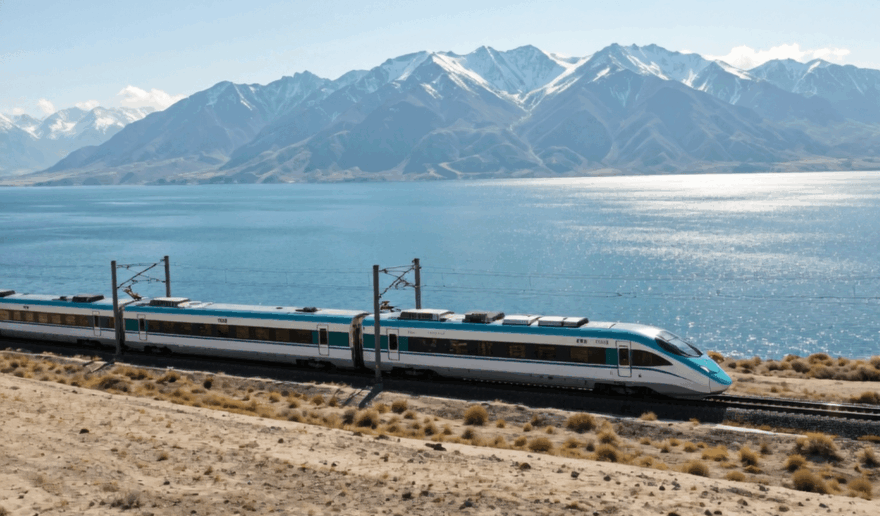
Figure 1. Case Study: Hitachi Rail’s Digital Maintenance System

Results:
✔️ 30% reduction in maintenance costs.
✔️ 25% higher fleet reliability.
✔️ Improved customer satisfaction due to fewer delays.
Takeaway:
This approach proves that data analytics not only optimizes performance but also builds long-term operational resilience.
Data-Driven Fleet Optimization Strategies
- Condition-Based Maintenance (CBM)
Instead of fixed maintenance schedules, CBM uses sensor data to determine exactly when interventions are needed. - Digital Twin Modeling
A digital twin of each train predicts stress, fatigue, and component degradation, allowing engineers to simulate different maintenance scenarios. - AI-Driven Asset Allocation
Machine learning models analyze route data, passenger load, and train health to optimize train deployment dynamically. - Integrated Data Dashboards
Real-time dashboards provide actionable KPIs such as mean time between failures (MTBF), asset health index, and energy consumption per kilometer. - Lifecycle Cost Analysis (LCCA)
By integrating financial and operational data, LCCA models enable operators to optimize total cost of ownership (TCO) across the asset’s lifespan.
Industry-Wide Data Insights
MetricData-Driven FleetConventional FleetImprovement
Maintenance Cost
₹5.2 lakh/year
₹8.1 lakh/year
35% lower
Fleet Availability
92%
75%
+17%
Energy Efficiency
88%
73%
+15%
Downtime Hours (per unit)
210 hrs/year
340 hrs/year
38% less
ROI on Analytics Investment
150% over 3 years
—
—
(Source: McKinsey Rail Analytics Benchmark Report, 2025)
Global Implementations of Fleet Analytics
1. Deutsche Bahn (Germany)
Uses AI-powered monitoring for its ICE fleet. Predictive analytics prevented 700+ breakdowns in 2024 alone.
2. SNCF (France)
Integrated big data with maintenance records, cutting workshop visits by 22%.
3. Indian Railways
Rolling out IoT-enabled locomotives with AI-driven maintenance forecasting under the SMART Maintenance initiative.
4. Siemens Mobility (Global)
Railigent X platform processes 10 TB of data daily for fleet optimization across Europe and Asia.
Emerging Technologies Enhancing Data Analytics
✔️ Edge Computing: Enables real-time data processing onboard trains, reducing latency.
✔️ 5G Connectivity: Facilitates instant transmission of large data volumes.
✔️ Blockchain: Improves data transparency and maintenance traceability.
✔️ Augmented Reality (AR): Assists maintenance teams in diagnostics using data overlays.
✔️ AI Co-pilots: Automated assistants that recommend maintenance actions in real time.
These innovations represent the next stage of digital fleet intelligence — combining analytics with automation and human expertise.
Career Opportunities in Data-Driven Fleet Management
Job RoleKey ResponsibilitiesEmployers
Data Analytics Engineer (Rail)
Develop predictive models and dashboards
Siemens, Alstom, Hitachi
Fleet Performance Analyst
Track asset KPIs and maintenance metrics
DB Cargo, SNCF, IR
IoT Integration Specialist
Manage onboard sensor networks
Bombardier, CAF
Predictive Maintenance Engineer
Use analytics to reduce downtime
Indian Railways, Talgo
Digital Twin Developer
Simulate fleet operations using real-time data
Research institutions, OEMs
Salary Insight (2025): Data and AI specialists in the rail sector earn 20–40% higher salaries than traditional maintenance engineers, with global placement opportunities in Europe, India, and the Middle East.
Challenges in Fleet Data Analytics
- Data Silos: Different systems use incompatible formats.
- Cybersecurity Risks: Real-time data transmission requires robust security frameworks.
- Skill Shortage: Lack of trained analytics professionals in traditional rail sectors.
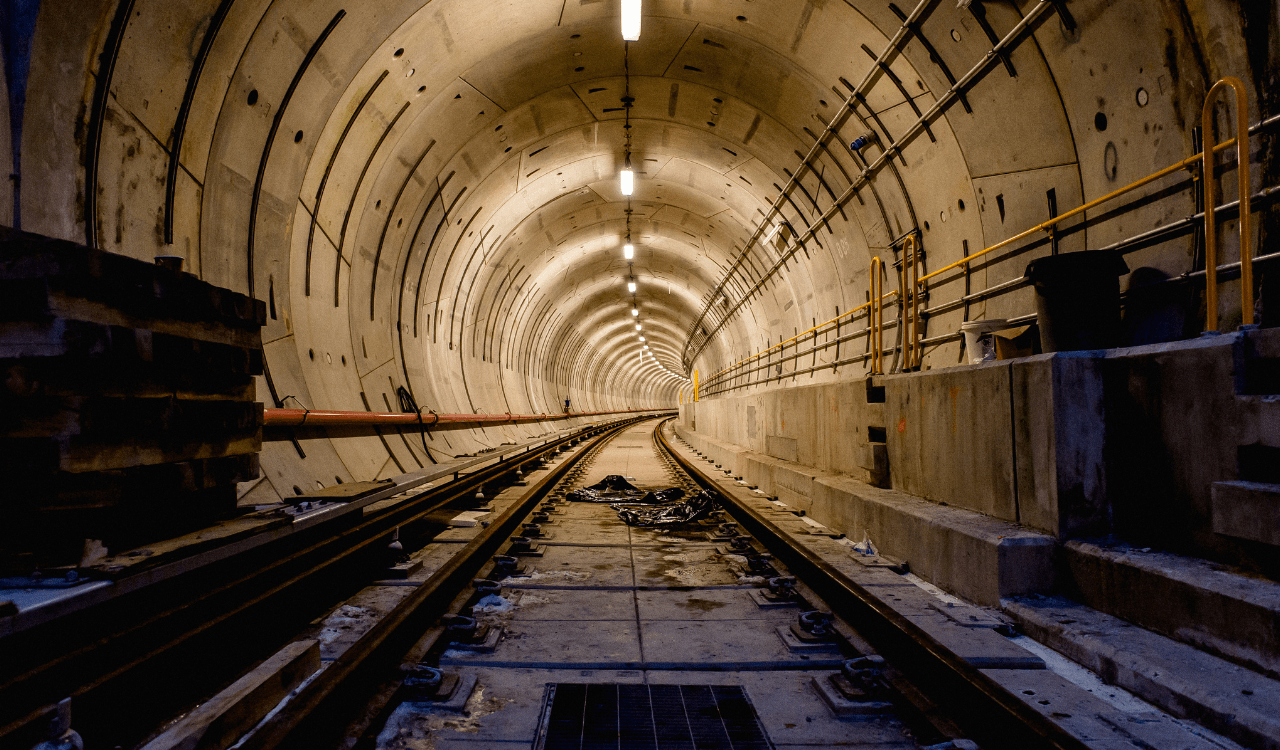
Figure 2. Challenges in Fleet Data Analytics - Infrastructure Costs: High setup cost for IoT and analytics platforms.
- Change Management: Resistance from legacy workforce structures.

Overcoming these challenges requires a data-first culture, continuous upskilling, and institutional support for digital transformation.
The Future of Fleet Optimization
By 2030, fleet analytics will be entirely autonomous and AI-driven, with self-healing systems that automatically diagnose and correct minor issues before they escalate.
Future developments include:
- Autonomous fleet scheduling using AI optimization models.
- Predictive supply chain for spare parts.
- Integration of AI + Blockchain for tamper-proof data management.
- Sustainable analytics focusing on carbon and lifecycle impact reduction.
As rail systems evolve, the synergy between data, AI, and human intelligence will redefine how fleets are maintained, optimized, and operated.
Conclusion
Data analytics is not just transforming fleet optimization — it’s redefining the entire concept of maintenance, efficiency, and safety in railways.
For operators, it means reduced costs and enhanced reliability. For professionals, it means an opportunity to develop expertise in the fastest-growing domain of digital railway systems.
The message is clear: the future of rolling stock maintenance will be driven not by wrenches, but by algorithms.
Want to go deeper?
Transform your data skills into leadership opportunities with our Introduction to AI Applications in Railways course at Zenith Railway Academy.