Railway electrification is not just a technical upgrade — it is a career multiplier. As rail operators worldwide move away from diesel and embrace electrification, professionals with relevant expertise are finding career opportunities far beyond their home countries. According to the World Bank’s Transport Outlook 2024, rail electrification projects contribute to 25–30% of global rail investment, creating massive job demand in engineering, safety, and project management.
For engineers and managers, electrification is the gateway to high-paying, globally transferable roles.
Why Electrification is a Global Career Catalyst
Electrification projects share universal design, safety, and operational standards. Whether in India, Europe, or the Middle East, engineers trained in OHE (Overhead Equipment), traction power systems, and RAMS (Reliability, Availability, Maintainability, Safety) can seamlessly transition between projects.
- India: Aims for 100% electrification by 2030, expected to generate 50,000+ new roles in engineering and operations.
- Europe: Countries like Spain, France, and Germany are modernizing high-speed corridors to meet EU’s 2050 net-zero goals.
- Middle East: Saudi Arabia’s Vision 2030 and UAE’s Etihad Rail are opening doors to international engineers.
These initiatives prove that electrification expertise is one of the most globally portable skillsets in the rail industry.
Career Growth Pathways in Electrification
1. Engineer → Senior Engineer → Project ManagerProfessionals begin as OHE design or traction engineers, later advancing into supervisory and project management roles.
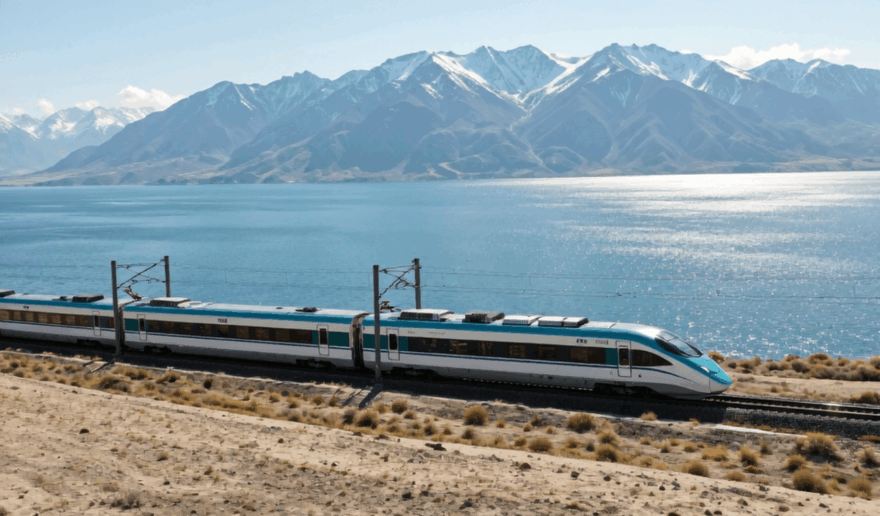
Engineers skilled in predictive maintenance and energy efficiency progress into leadership roles, managing entire fleets or networks.
3. Domestic Professional → International ConsultantWith certifications, local engineers can secure contracts in Europe, Gulf nations, and Asia-Pacific — significantly boosting income and exposure.
Data Insight: Salaries in Electrification Careers
- India: ₹12–20 LPA for mid-level electrification engineers
- Middle East: $80,000–110,000 annually for traction/OHE specialists
- Europe: €90,000–140,000 for RAMS-certified engineers
Engineers with certifications typically earn 20–40% higher salaries and progress faster into managerial positions.
Case Study: Riyadh Metro, Saudi Arabia
The Riyadh Metro project recruited 1,500+ electrification engineers from over 20 countries. The hiring process favored professionals with certifications in OHE design and RAMS, proving that specialized qualifications make candidates stand out in global recruitment.
Skills That Multiply Career Opportunities
- OHE Design & Basics – foundational knowledge for electrification systems.
- Traction Power & Grid Integration – managing substations and renewable integration.
- RAMS & Safety Standards – required by international tenders (EN 50126/28/29).
- IoT & Digital Monitoring – predictive maintenance with AI-driven tools.
Professionals who combine these skills with certifications position themselves as globally mobile experts.
Conclusion
Railway electrification is not limited to national projects — it is the steppingstone to international careers. With the global push for sustainability, electrification engineers and managers will remain in high demand for decades. By building the right skills and certifications, professionals can multiply their career prospects across continents.
Want to go deeper?
Multiply your career opportunities with our Overhead Equipment (OHE) Design Basics in Railways course at Zenith Railway Academy. Gain skills that global projects in India, Europe, and the Middle East demand.