“If you’re still thinking in signals, you’re already behind.”
For decades, railway engineering revolved around trackside assets—signals, relays, interlockings, and fixed blocks. Engineers mastered circuitry, wiring diagrams, and fail-safe logic. It was stable, predictable, and deeply mechanical-electrical in nature.
But today, that world is being rapidly rewritten.
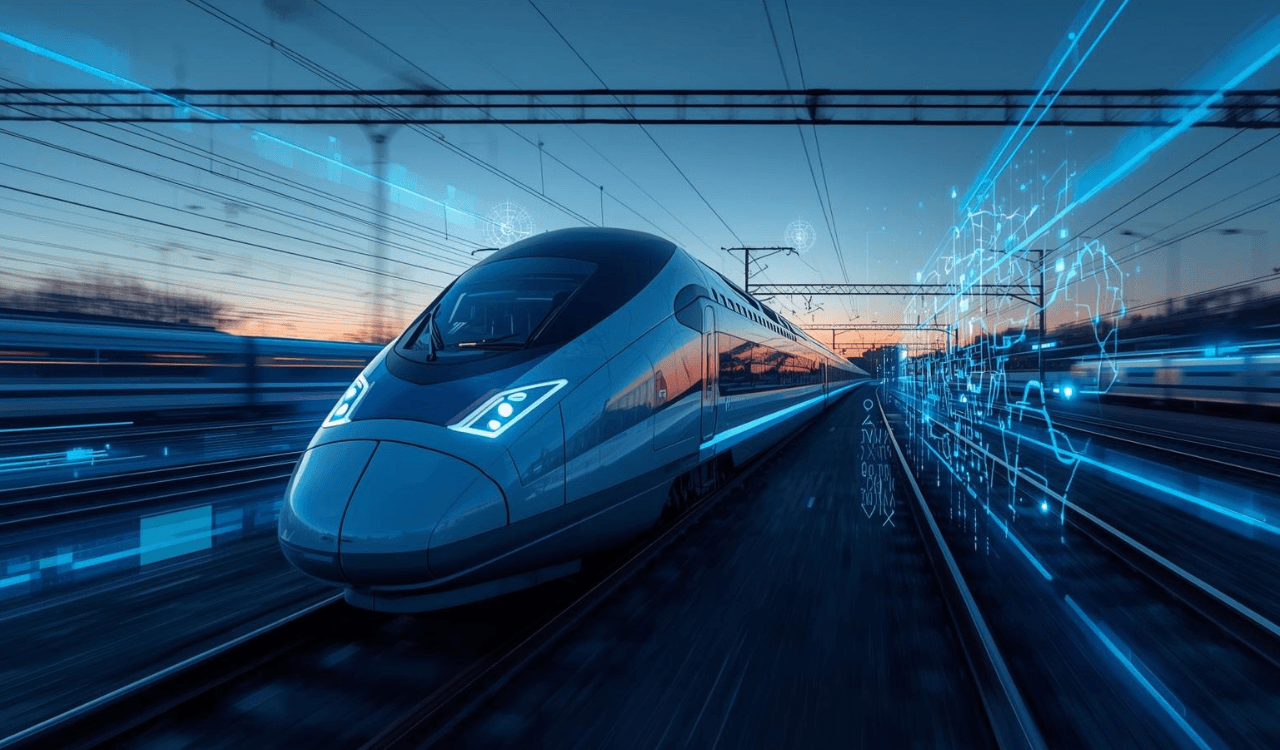
Welcome to the era of smart trains, where intelligence is no longer confined to the track—it moves with the train.
The Great Shift: From Trackside to Onboard Intelligence
Traditional signalling systems were infrastructure-heavy:
- Lineside signals dictated movement
- Track circuits detected train presence
- Relay interlockings ensured safety
Now, with the rise of the European Train Control System (ETCS), the paradigm has fundamentally changed.
– Movement authority is transmitted digitally
– Trains “know” how fast they can go and where they must stop
– Continuous communication replaces intermittent signalling
Instead of reacting to signals, trains now think, decide, and respond in real time.
Why ETCS is Taking Over Globally
Railways across the world are transitioning to ETCS as part of modernization and interoperability goals.
Here’s why: